 EN
EN

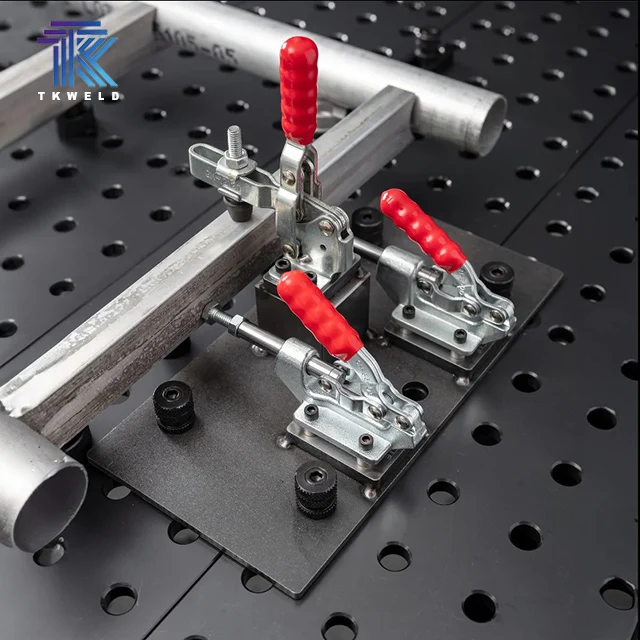
Creating complex geometric frames on a welding table top with holes can be quite an exciting process! At TKweld, we love helping people understand how to make strong and beautiful metal frames. These frames can be used in many projects, from furniture to art displays. The welding table has holes that help you hold your pieces in place while you work, making the process easier. The challenge is to make sure everything fits together perfectly and stays strong. With the right techniques and tools, anyone can create stunning geometric designs. Let’s dive into some important tips!
How to Achieve Precision in Complex Geometric Frame Welding
When working on complex geometric frames, precision is key. First, make sure your welding table is clean and flat. This will help your pieces sit straight and true. You can use clamps to hold your metal pieces in place. These clamps are super helpful because they keep everything steady while you weld. Also, measure everything carefully. Using a measuring tape, mark where the pieces will connect. This helps you avoid mistakes. If you cut a piece too short, it can throw off the whole design. Using a square is another great way to check your angles. You want everything to look sharp and neat.
Another important step is to practice your welding technique. If you are just starting, try welding on scrap pieces of metal first. This can help you get a feel for the welding machine. Adjust the settings on your welder according to the thickness of the metal you are using. Thicker metal needs more heat, while thinner pieces need less. Remember to wear safety gear, like gloves and a mask, to protect yourself. It’s not just about making the frame look good; it’s also about making sure it’s safe and strong.
Once you start welding, take your time. It’s easy to rush, but going slow can lead to better results. Watch the weld pool closely; a good weld should look shiny and smooth. If you see it bubbling or looking rough, you might need to adjust your technique. After welding, always check your frame for any weak spots. If you find any, you can go back and reinforce those areas. This ensures that your frame can hold weight and last a long time.
What to Consider
Creating geometric frames is not just about welding; it’s also about design and materials. Think about what you want to create before you start. Do you want a simple square frame or something more intricate, like a hexagon? It’s good to sketch your ideas on paper. This helps you visualize what the final product will look like.
Next, consider the type of metal you will use. Different metals have different strengths and weights. Steel is a popular choice because it’s strong and durable. Aluminum is lighter but still offers good strength. Each type of metal can change how your frame looks and feels. You also need to think about the finish. Will you paint it, or leave it bare? A nice paint job can really make your frame stand out.
Another factor is the size of your frame. Larger frames might need more support, while smaller ones can be lighter and easier to manage. Planning how you will transport or mount your frame is also important. If it’s heavy, you might need special equipment to move it. Lastly, think about safety. Always make sure your workspace is clear and that you’re using tools correctly. This keeps you and others safe while you work.
At TKweld, we believe that creating complex geometric frames is not just a task; it’s a form of art. With careful planning and execution, anyone can make something truly special. Whether you are a beginner or have some experience, following these tips can help you achieve great results. Happy welding!
What Tools Are Essential for Creating Complex Geometric Frames?
To create complex geometric frames on a welding table top, you need the right tools. First, a welding machine, like a MIG or TIG welder, is very important. This machine helps you join metal pieces together by melting them and then cooling them to form a strong bond. You also need safety gear. This includes gloves to protect your hands, a welding helmet to shield your eyes from bright sparks, and a fire-resistant jacket to keep you safe from heat.
Next, you will need a cutting tool, such as a plasma cutter or a metal saw. This tool helps you shape the metal into the sizes and angles you need for your geometric designs. A measuring tape is also necessary because you must measure your metal pieces accurately to ensure they fit together well. A square is another helpful tool that helps you check if the corners of your frame are at right angles. This is very important for making sure your frame is straight and looks good.
You will also want clamps. These hold the metal pieces in place while you weld them together. Clamps make sure nothing moves, which can mess up your design. Additionally, a grinder is useful for smoothing out rough edges on your metal pieces. This step is important because sharp edges can be dangerous and can make your frame look unprofessional. Finally, having a sturdy welding table is essential. The table should have holes or slots to hold your metal pieces securely. This will make it easier to work on your geometric frame without worrying about it falling apart.
How to Troubleshoot Common Problems in Geometric Frame Welding
When welding geometric frames, you might face some problems. One common issue is poor weld quality. If your welds look messy, they might not be strong enough. This can happen if the metal pieces are dirty or rusty. To fix this, make sure to clean your metal before you start welding. Use a wire brush or grinder to remove any dirt, grease, or rust.
Another problem can be warping. This happens when the metal bends or twists due to heat from the welding process. To prevent this, try welding in shorter sections rather than long continuous lines. This way, the heat will not affect the entire piece of metal at once. You can also use clamps to hold the metal tightly in place. If warping still occurs, you can sometimes fix it by gently bending the metal back into shape.
Sometimes, you may notice gaps between the metal pieces. These gaps can weaken your frame. To avoid this, make sure your cuts are accurate and that you fit the pieces together tightly before welding. If you find gaps after welding, you can fill them with a little extra weld material.
Lastly, always check for electrical issues with your laser welding machine. If it is not working correctly, it can cause problems with your welds. Make sure all the connections are tight and that you are using the correct settings for the type of metal you are working with. If you are not sure, consult your welding machine’s manual.
Where to Source Durable Materials for Geometric Frame Construction
Finding strong materials for your geometric frames is very important. You want materials that will last and hold up well. One of the best places to start is at a local metal supply store. These stores often have a wide variety of metal types, like steel and aluminum. Steel is very strong and great for heavy frames, while aluminum is lighter and easier to work with. When you visit the store, ask for help if you are unsure what type of metal is best for your project.
Another option is to check online. Many websites sell metal materials and can deliver them right to your home. Before you order, make sure to read reviews to ensure you are getting good quality materials. You can also find metal scraps from construction sites. Sometimes, builders have leftover pieces they do not need anymore. Just ask for permission before taking anything. This can be a cost-effective way to get materials for your project.
In addition to metal, you will also need some other supplies, like welding rods or wire. These are used to join the metal pieces together. Check with your welding machine to see what type of rods or wire you should use. You can find these at welding supply shops or online.