 EN

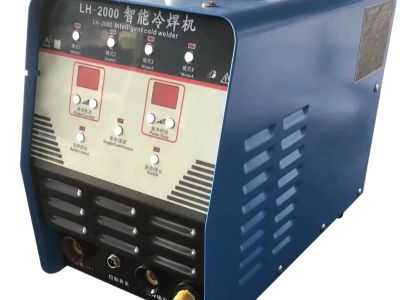
The pulse function in modern stainless steel welders has become increasingly important, especially in industrial applications where precision and quality are paramount. This feature allows for better control over heat input, resulting in improved weld quality and reduced distortion. As a buyer, understanding the importance of the pulse function can help address key concerns such as weld integrity, material compatibility, and operational efficiency. This article will explore how to choose the right stainless steel welding wire with pulse function, key specifications to consider, common welding problems solved by pulse technology, applications that benefit from its use, and a comparison of pulse functionality across different welder models.
How to Choose the Right Stainless Steel Welder with Pulse Function
Selecting the right stainless steel welder with a pulse function involves several considerations. First, assess the specific welding applications you intend to perform. Different stainless steel grades and thicknesses may require varied settings for optimal results.
Next, evaluate the welder’s duty cycle and power output. A welder with a higher duty cycle is crucial for prolonged use in industrial environments, ensuring it can handle extended welding sessions without overheating. Additionally, consider the welder's ease of use and adjustability.
Lastly, check the manufacturer’s reputation and support services. A company like Fengling Welding, which specializes in customized welding solutions, can provide insights into the best models suited for specific applications and offer ongoing support for maintenance and training.
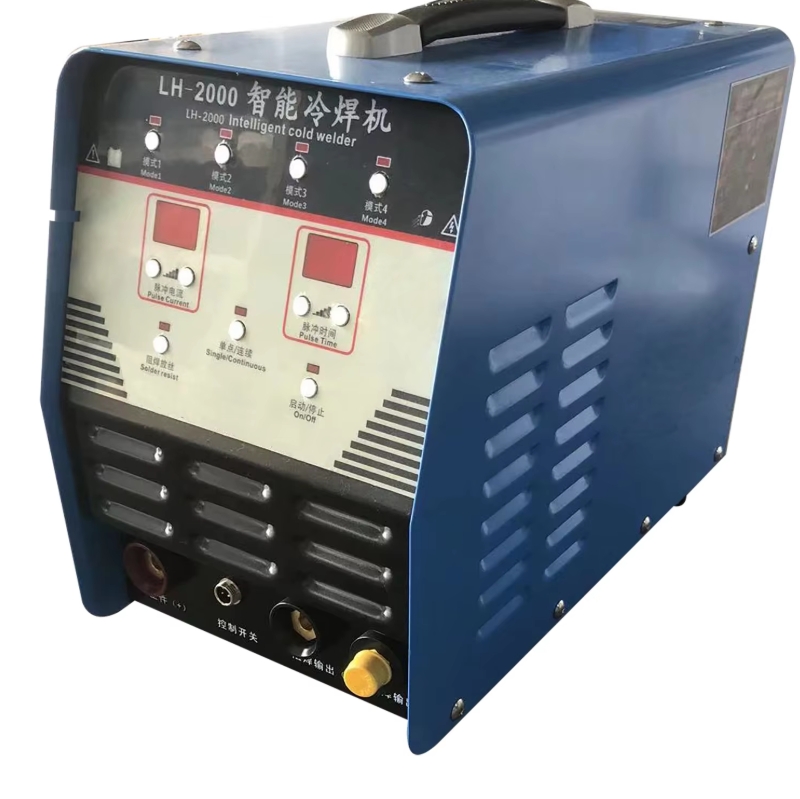
Key Specifications to Consider for Pulse-Enabled Welders
When evaluating pulse-enabled welders, focus on several key specifications:
Pulse Frequency: This affects the heat input and bead profile. Higher pulse frequencies can create finer beads, making them ideal for thin materials or intricate joint designs.
Welding Modes: Look for welders that offer multiple modes, including MIG, TIG, and stick welding. This versatility allows for different applications, which is essential for manufacturers working with various metal types.
Output Voltage and Amperage: Ensure the welder provides the necessary voltage and amperage range to accommodate the stainless steel grades you will work with. Insufficient power can lead to poor penetration and inadequate welds.
Cooling System: A robust cooling system can prolong the life of the welder and maintain consistent performance, especially during long welding sessions.
Control Features: Advanced control features, such as digital displays and programmable settings, can enhance usability and consistency in weld quality.
These specifications play a crucial role in ensuring that the welder meets the demands of your specific applications and maintains high-quality output.
Common Welding Problems Solved by Pulse Technology
Pulse technology addresses several common welding issues encountered in stainless steel welding:
Burn-Through: The ability to control heat input minimizes the risk of burn-through in thin materials. By using a pulse function, welders can achieve high-quality welds without compromising the integrity of the base material.
Distortion: Excessive heat can lead to warping and distortion of the workpiece. The pulse function allows for precise control over thermal cycles, mitigating heat buildup and resulting in straighter components.
Porosity: Pulse welding helps achieve a cleaner weld by reducing the likelihood of contamination. The controlled heat input and rapid cooling rates can lead to fewer gas pockets, ensuring stronger joints.
Inconsistent Bead Appearance: Pulse features allow for better control over the weld pool, leading to a more uniform bead appearance. This is particularly important in applications where aesthetics are vital, such as in architectural components.
By understanding these common issues, buyers can appreciate the value that pulse technology brings to their welding operations.
Applications Where Pulse Function Improves Welding Performance
The pulse function significantly enhances welding performance across various applications, including:
Automotive Manufacturing: In automotive production, where precision is essential, pulse welding improves the integrity of joints in exhaust systems and body panels, reducing the risk of fatigue cracks.
Aerospace Components: The aerospace industry demands high-quality, lightweight welds. Pulse technology allows for precise control, essential for meeting stringent safety and performance standards.
Food and Beverage Equipment: In industries where hygiene is critical, such as food processing, the pulse function can create smooth, clean welds that reduce bacteria buildup, aiding compliance with health regulations.
Marine Applications: Stainless steel is often used in marine environments, where corrosion resistance is vital. Pulse welding helps ensure strong, durable joints that can withstand harsh conditions.
By leveraging the benefits of pulse technology, companies in these industries can enhance productivity and ensure high-quality welds that meet regulatory and customer expectations.
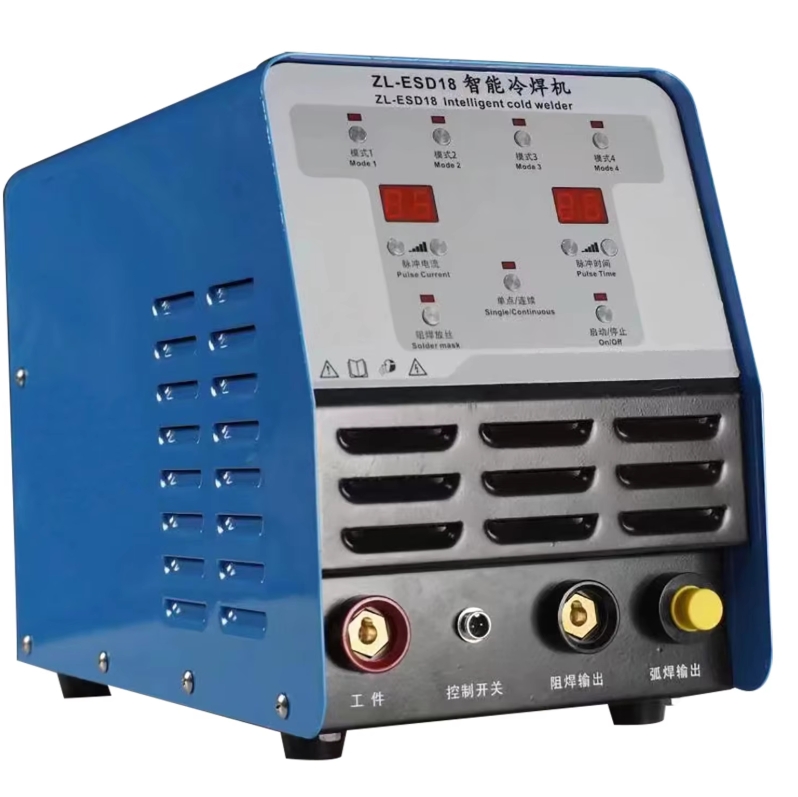
Comparing Pulse Functionality Across Different Welder Models
When comparing stainless welding wire welders with pulse functionality, consider the following factors:
Brand Reputation and User Feedback: Research customer reviews and industry feedback on different models. Established brands often have proven track records and provide better customer service and support.
Performance Metrics: Look for detailed specifications such as maximum pulse frequency, output ranges, and heat control capabilities. This information will help you gauge how well each model can handle your specific applications.
Customization Options: Some manufacturers offer customizable settings or additional features that can enhance the machine's capabilities. Consider whether the ability to adjust pulse settings or add modules aligns with your operational needs.
Cost of Ownership: Evaluate not just the upfront cost but also the long-term operating costs, including maintenance, consumables, and energy consumption. A more expensive model might offer better efficiency and durability, leading to lower overall costs.
Training and Support: Consider the training offered by the manufacturer. Some suppliers provide extensive training for operators, which can be invaluable for ensuring the welder is used effectively and safely.
By carefully comparing these aspects, buyers can make informed decisions that align with their operational goals and financial constraints, leading to more effective welding processes and improved end products.