 EN

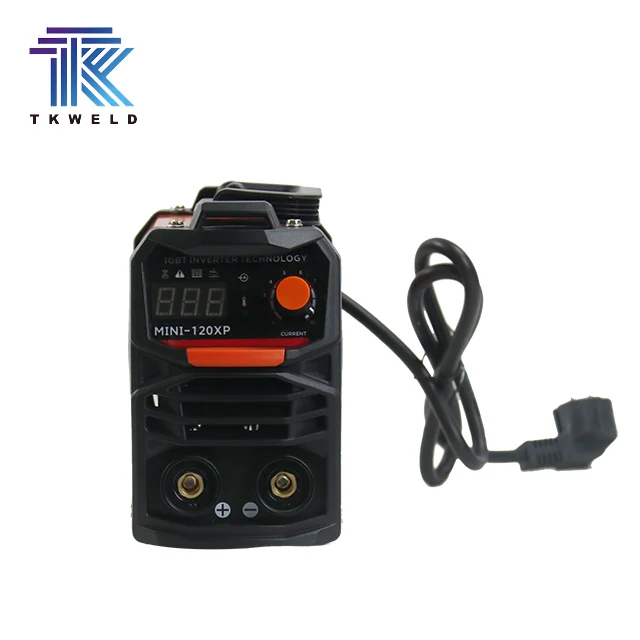
Arc stability is a critical factor in the performance of manual metal arc (MMA) welders, influencing both the quality of the weld and the efficiency of the welding process. B2B buyers, including purchasing managers and engineers, prioritize this characteristic because it directly impacts the reliability of their welding operations. This article will delve into why arc stability matters, how it affects welding quality and efficiency, the cost implications of prioritizing arc stability, and provide expert insights tailored for industrial welding projects.
How Arc Stability Impacts Welding Quality and Efficiency
Arc stability refers to the ability of the arc welder to maintain a consistent and controlled electrical discharge throughout the welding process. This characteristic is vital for achieving high-quality welds. A stable arc helps minimize issues such as spatter, porosity, and inconsistent bead appearance, which can compromise the integrity of the weld.
From a practical standpoint, stable arcs enable welders to maintain a steady travel speed and angle, which is crucial for penetration and fusion. An unstable arc can lead to erratic heat distribution, resulting in weak welds that may require rework or scrap. For manufacturers looking to optimize their production processes, ensuring that the MMA welder they choose provides excellent arc stability can significantly enhance operational efficiency and reduce costs associated with rework and material waste.
Prioritizing Arc Stability in MMA Welders
When selecting MMA welders, buyers should prioritize models that demonstrate strong arc stability features. Key specifications to look for include the welder's power source, arc control technologies, and the type of electrodes used. For instance, advanced inverter technology can provide a more stable arc compared to traditional transformer-based machines, allowing for better performance across a range of materials and thicknesses.
Moreover, it’s essential to consider the welder's ability to handle various environmental conditions. Factors such as wind, moisture, and contaminants can disrupt the arc. Therefore, selecting equipment designed for stability in challenging conditions will lead to better outcomes in the field. Buyers should also verify that the manufacturer offers guidance on electrode selection and settings tailored to their specific applications, as this can further enhance arc stability.
Understanding the Cost Implications of Arc Stability in Welding
Investing in MMA welder with superior arc stability may come with a higher upfront cost, but the long-term savings can be substantial. Poor arc stability often leads to increased rework, higher material consumption, and longer cycle times, all of which can strain project budgets. By contrast, a welder that guarantees consistent performance can lead to faster production rates, improved weld quality, and reduced waste.
B2B buyers should conduct a total cost of ownership analysis when evaluating welding equipment. This should include not just the initial purchase price but also the expected operational efficiency, maintenance costs, and any potential savings from reduced scrap and rework. In many cases, the most cost-effective solution is not the cheapest welder upfront but rather the one that offers the best overall performance and reliability.
Why Arc Stability Matters
Arc stability is foundational to the quality of the final weld. When the arc is stable, it translates into consistent heat input, which is crucial for achieving proper penetration and fusion. Unstable arcs can lead to inconsistent bead profiles, affecting both the visual and structural quality of the weld.
Furthermore, arc stability contributes to the welder's ease of use. A stable arc allows welders to focus on technique rather than constantly adjusting for fluctuations, leading to improved operator comfort and productivity. This is particularly important in high-volume manufacturing environments where time efficiency is critical.
From an application perspective, industries such as automotive, construction, and heavy machinery often have stringent quality requirements. Ensuring that the chosen MMA welder excels in arc stability can help businesses meet these demands and maintain compliance with industry standards.
Expert Insights on Arc Stability for Industrial Welding Projects
Experts in the field emphasize the importance of conducting thorough tests on sample welds prior to committing to a particular MMA electric arc welder. This testing phase allows buyers to assess the machine's performance under actual working conditions. It’s advisable to evaluate the welder's response to various electrode types and materials to determine the optimal setup for specific applications.
Additionally, buyers should engage with the manufacturer’s technical support team for insights on best practices related to machine setup and maintenance. Understanding the regular upkeep required to maintain arc stability can prevent performance degradation over time.
Finally, consider the implications of automation in welding processes. For those investing in robotic welding solutions, the arc stability of the welder becomes even more critical. A stable arc not only supports efficient automated welding but also contributes to the reliability and repeatability required in automated applications.
In summary, prioritizing arc stability in MMA welders is essential for achieving high-quality welds, enhancing efficiency, and ultimately, reducing costs. As a manufacturer with over 30 years of experience in developing customized welding solutions, Fengling Welding understands the critical role that arc stability plays in the success of industrial welding projects.