 EN

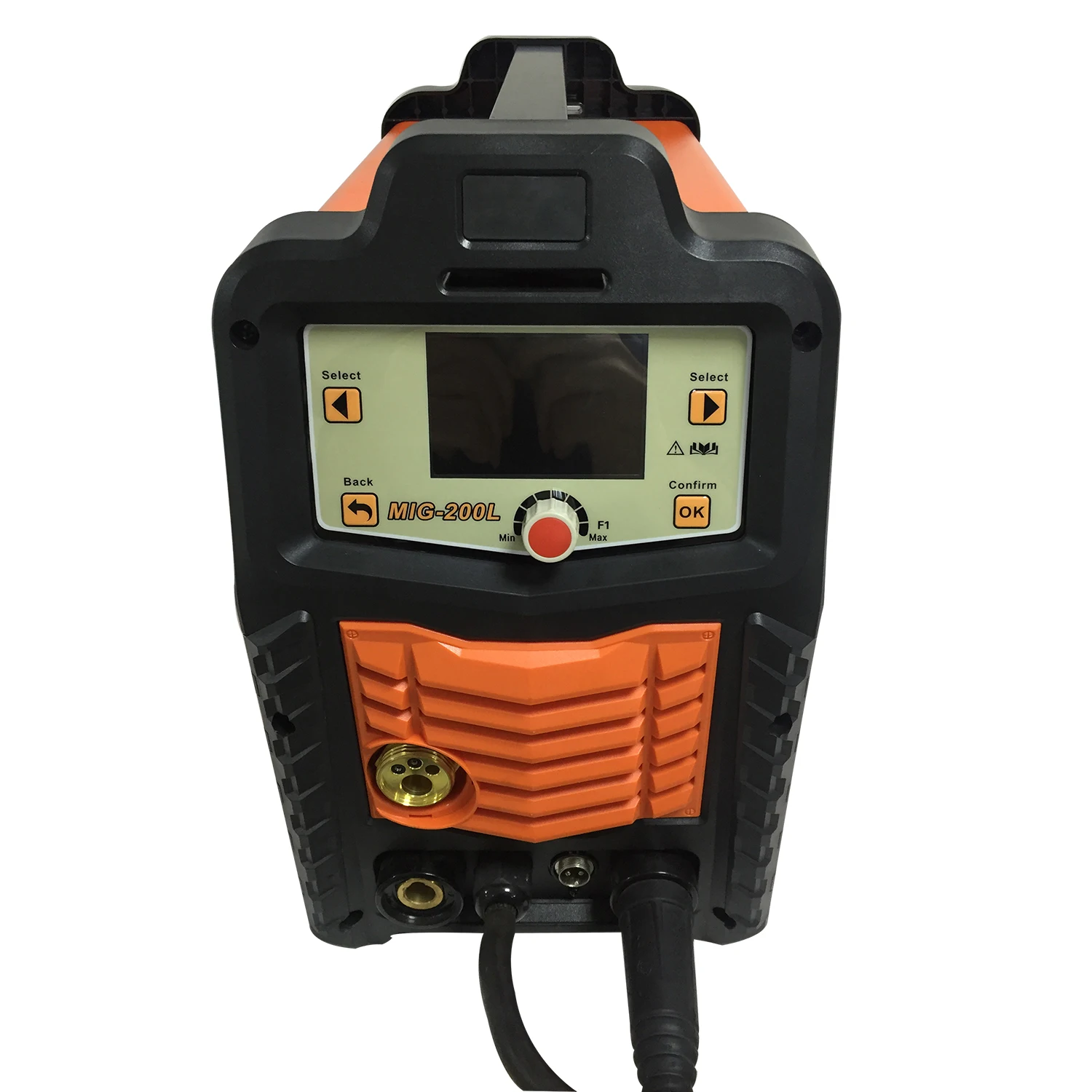
Dual-voltage MMA welders are increasingly becoming the go-to choice for contractors seeking versatile, efficient, and powerful welding solutions. These machines, designed to operate on both 110V and 220V power sources, offer exceptional flexibility, ensuring that contractors can work in various environments without the need for specialized power setups. We will explore the reasons why dual-voltage MMA welders are favored by professionals, addressing key buyer concerns such as specification suitability, sourcing, installation challenges, and the overall advantages these tools provide.
Dual-Voltage MMA Welders vs. Standard Models
The main difference between dual-voltage MMA welder and standard models lies in their operational flexibility. Standard models typically operate on a single voltage, which can limit their use in job sites where power supply options are restricted. In contrast, dual-voltage welders can adjust to both 110V and 220V, making them suitable for diverse applications ranging from light-duty tasks to heavy industrial work.
This flexibility not only allows for compatibility with various power sources but also facilitates easier transportation between job sites. Contractors can quickly set up their welding operations without worrying about power availability. Additionally, dual-voltage models often come equipped with advanced features such as automatic voltage selection and improved arc stability, giving them a performance edge over standard models.
Where to Source Reliable Dual-Voltage MMA Welders for Bulk Orders
Sourcing reliable dual-voltage MMA welders involves identifying reputable manufacturers and suppliers with a proven track record in the welding industry. Look for companies that specialize in automated welding equipment, as they typically have the expertise and quality control measures needed to ensure product reliability.
When placing bulk orders, consider factors such as minimum order quantities (MOQ), lead times, and customization options. A manufacturer like Fengling Welding, with over 30 years of industry experience, can provide tailored solutions to meet specific project requirements. It’s essential to request technical specifications and certifications to ensure the welders comply with industry standards.
Networking at trade shows, utilizing industry directories, and reaching out for referrals from other contractors can also guide you to trustworthy suppliers. Conducting due diligence by reviewing customer testimonials and requesting samples can further ensure you are making an informed purchase.
Key Features of Dual-Voltage MMA Welders
Dual-voltage MMA hand held laser welders come equipped with several key features that enhance their usability and performance. First, the ability to switch between voltages allows contractors to adapt to different site conditions, making these welders suitable for both indoor and outdoor projects.
Additional features to consider include:
Arc Stability: Advanced technology in dual-voltage welders often leads to better arc stability, which results in cleaner welds and improved overall quality.
Portability: Many models are designed to be lightweight and compact, making them easier to transport to various job sites.
Digital Displays: Some dual-voltage models feature digital displays that provide real-time feedback on parameters like voltage, amperage, and temperature, allowing for precise adjustments during operation.
Safety Features: Look for models that include overcurrent protection, thermal overload protection, and safety shut-off features to ensure operator safety and equipment longevity.
When evaluating options, consider how these features align with your specific applications, such as the types of materials you will be welding, as well as your preferred welding techniques.
Common Installation Challenges with Dual-Voltage MMA Welders and Solutions
While dual-voltage MMA welders are designed for flexibility, contractors may encounter several installation challenges. One common issue is ensuring that the power supply matches the welder’s requirements. Contractors should verify power availability on-site before installation to prevent operational delays.
Another challenge is the proper setup of grounding and cable management, which can affect performance and safety. Contractors should familiarize themselves with local electrical codes and regulations to ensure compliance.
To mitigate these challenges:
Pre-installation Checks: Conduct a thorough inspection of the job site’s power sources and conditions. This includes verifying voltage levels, assessing outlet compatibility, and ensuring that extension cords, if used, are rated for the required amperage.
Training and Familiarization: Ensure that all operators are trained in how to adjust the welder settings and understand its safety features. This knowledge will facilitate smoother operation and reduce the risk of installation-related issues.
By addressing these installation challenges proactively, contractors can enhance their workflow and avoid costly downtime.
Why Contractors Prefer Dual-Voltage MMA Welders for Versatile Projects
Contractors favor dual-voltage MMA welder tools for their versatility across a wide range of projects. Whether working on residential renovations, commercial constructions, or heavy industrial applications, these welders adapt to varying conditions and requirements efficiently.
One significant advantage is the ability to weld different materials and thicknesses, allowing for use in diverse applications, from thin sheet metal to thicker structural components. Additionally, the flexibility in voltage options means contractors can operate in locations without specialized electrical setups, increasing project accessibility.
Moreover, dual-voltage welders often incorporate advanced technology that streamlines the welding process, leading to higher productivity. This capability is especially critical in contract work, where time efficiency can significantly impact project costs and profitability.
The combination of flexibility, advanced features, and adaptability makes dual-voltage MMA welders an optimal choice for contractors. By understanding their key features, challenges, and sourcing options, professionals can make informed decisions that enhance their operational efficiency and project outcomes.