 EN

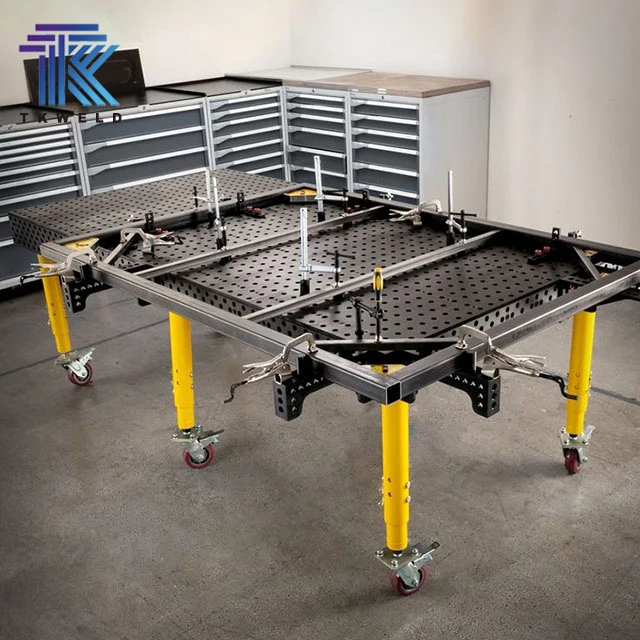
Zinc-plated welding table clamps are essential tools in various welding applications, designed to secure workpieces effectively while minimizing spatter. Understanding why zinc-plated welding table clamps resist spatter better can help purchasing managers and engineers make informed decisions when selecting the right clamps for their projects. This article will explore the benefits of zinc plating, compare it with traditional clamps, provide installation guidance, evaluate quality factors, and address common issues associated with welding table clamps.
How Zinc-Plated Welding Table Clamps Enhance Spatter Resistance
Zinc plating offers a significant advantage in welding applications by providing a protective barrier against spatter. The layer of zinc is corrosion-resistant, which prevents rusting and deterioration that may occur during the welding process. This enhanced durability means that zinc-plated 5 8 welding table clamps maintain their structural integrity and performance over time, even under extreme heat and exposure to spatter.
Moreover, the smooth surface of zinc plating reduces the likelihood of spatter adhering to the clamp, allowing for cleaner operations and reducing the need for extensive cleanup after welding. This feature not only improves the overall efficiency of welding tasks but also enhances the quality of the final weld by minimizing contamination.
Compare Zinc-Plated and Traditional Welding Table Clamps
When comparing zinc-plated welding table clamps to traditional clamps, several key differences emerge. Traditional welding clamps, often made from plain steel, can be prone to rust and corrosion, especially in environments with high humidity or exposure to welding spatter. This deterioration can lead to compromised performance and safety issues over time.
In contrast, zinc-plated clamps are designed to withstand harsher conditions without losing their effectiveness. The zinc coating provides an additional layer of protection against moisture and spatter, which is crucial for maintaining the integrity of the clamps. Additionally, zinc-plated clamps often feature better surface finishes, which can contribute to improved gripping power and alignment during welding.
Purchasing managers should consider these differences when evaluating options, as the long-term benefits of zinc plating can result in reduced maintenance costs and improved operational efficiency.
Installation Guidance for Zinc-Plated Welding Table Clamps
Proper installation of zinc-plated welding table clamps is essential to maximizing their effectiveness. Here are some key steps to ensure correct installation:
Surface Preparation: Ensure that the welding table surface is clean and free of debris or rust. A clean surface allows for a better grip and helps maintain the clamp's alignment.
Correct Positioning: Position the clamp in a way that it securely holds the workpiece without obstructing the welding area. Misalignment can lead to ineffective clamping and potential safety hazards.
Tightening: Use the appropriate tools to tighten the clamp securely. Over-tightening can damage the clamp or the workpiece, while under-tightening may lead to slippage during the welding process.
Periodic Checks: After installation, periodically check the clamps for any signs of wear or looseness, especially during prolonged use. Maintaining tightness will ensure optimal performance.
By following these guidelines, buyers can ensure that their zinc-plated welding table clamps perform effectively throughout their operational life.
Evaluating the Quality of Zinc-Plated Welding Table Clamps
When assessing the quality of zinc-plated welding table clamps, several factors should be considered:
Zinc Coating Thickness: The thickness of the zinc layer is critical; a thicker coating generally offers better corrosion resistance and durability. Buyers should confirm the specifications with the manufacturer to ensure they meet the necessary requirements.
Material Composition: The underlying material of the clamp is equally important. High-quality steel should be used to maintain strength and stability during the welding process.
Finish Quality: Inspect the surface finish of the clamp. A smooth finish will reduce spatter adhesion and enhance the clamp's overall effectiveness.
Load Capacity: Evaluate the load capacity to ensure that the clamps can withstand the intended application. This information should be confirmed with the manufacturer to avoid issues during use.
Certification: Look for compliance with industry standards. Certifications can provide assurance regarding the quality and reliability of the clamps.
By thoroughly evaluating these aspects, purchasing managers can make informed decisions and select high-quality zinc-plated welding table clamps that meet their operational needs.
Common Problems with Welding Table Clamps and Their Solutions
Despite their benefits, welding fixture table clamps can encounter common issues that may affect their performance. Here are some typical problems and suggested solutions:
Rusting: Even zinc-plated clamps can develop rust if the coating is damaged. Regularly inspect clamps for any scratches or wear and replace them promptly to maintain performance.
Slippage: If the clamps are not tightened properly or if the surface is not clean, slippage can occur. Ensure proper installation and check the surface conditions to prevent this issue.
Incompatibility with Workpieces: Some clamps may not fit all workpiece shapes and sizes. When selecting clamps, consider the specific dimensions and configurations of the workpieces to ensure a proper fit.
Difficulty in Adjustment: If clamps are hard to adjust, it may be due to wear or corrosion of the moving parts. Regular maintenance and lubrication can help avoid this problem.
By proactively addressing these common issues, users can extend the life and functionality of their welding table clamps, ensuring smoother operations in their welding processes.
In summary, understanding the advantages of zinc-plated welding table clamps, from their spatter resistance to their installation and maintenance, can significantly enhance the effectiveness of welding operations. By considering these factors, purchasing managers and engineers can select the right clamps to meet their specific needs, leading to improved productivity and quality in welding projects.
Table of Contents
- How Zinc-Plated Welding Table Clamps Enhance Spatter Resistance
- Compare Zinc-Plated and Traditional Welding Table Clamps
- Installation Guidance for Zinc-Plated Welding Table Clamps
- Evaluating the Quality of Zinc-Plated Welding Table Clamps
- Common Problems with Welding Table Clamps and Their Solutions