 EN

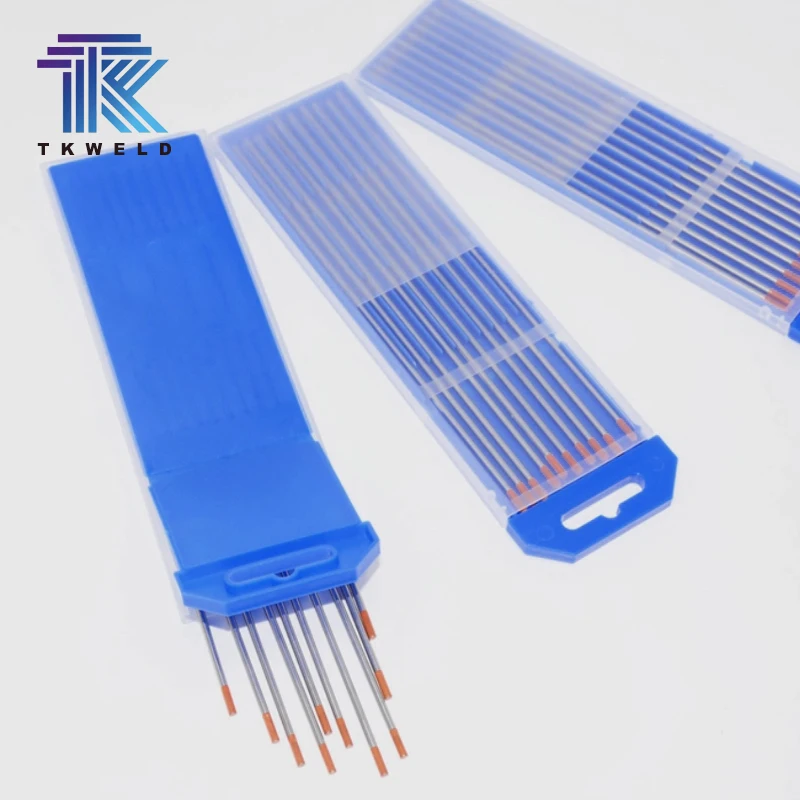
Proper storage of aluminium weld rods is essential to ensure weld integrity, which is a critical concern for professionals in manufacturing and construction sectors. These rods are vital for various applications, and their quality directly impacts the final weld's strength and durability. This article will address key considerations such as the importance of quality aluminium weld rods, wholesale options for distributors, factors to consider when selecting rods, best practices for usage, and their applications across different industries. Understanding these elements will help purchasing managers, distributors, and engineers make informed decisions regarding their welding consumables.
Quality Aluminium Weld Rods for Projects
Choosing high-quality aluminium weld rods is essential for achieving optimal weld integrity. The primary material used in these rods is typically 4047 or 4045 aluminium alloy, known for their excellent weldability and corrosion resistance. High-quality welding rod will have a consistent diameter and alloy composition, which is crucial for uniform melting and bonding during the welding process.
When evaluating aluminium weld rods, consider specifications such as tensile strength, elongation, and melting point. For instance, a tensile strength of at least 35 ksi is generally recommended for structural applications, while elongation should be around 10% to ensure flexibility and resistance to cracking during welding. Additionally, the rods should be free from contaminants and moisture, which can compromise weld quality.
Fengling Welding specializes in developing tailored aluminium weld rods that meet specific project requirements. With over 30 years of experience, we understand the nuances of weld consumables and can provide products that align with industry standards and client expectations.
Wholesale Options for Distributors
For distributors looking to stock aluminium weld rods, understanding wholesale options is critical. Distributors often need to balance inventory with demand while ensuring they can offer competitive pricing to their customers.
When considering wholesale purchases, factors such as minimum order quantities (MOQ), packaging methods, and lead times should be evaluated. An MOQ might vary based on the specific rod type and customization requests. Packaging methods can influence storage and shipping costs; for example, rods can be packaged in coils, boxes, or bulk containers, depending on the distributor's needs and storage capabilities.
Fengling Welding offers flexible wholesale options tailored to distributor requirements, ensuring they receive consistent inventory and support. By partnering with experienced manufacturers, distributors can ensure they have access to high-quality products that meet their customers' needs.
What to Consider
When selecting aluminium weld rods, several factors should be taken into account to ensure the right product is chosen for the intended application. First, the specific application needs to be identified. Different welding processes, such as TIG or MIG welding, might require different rod specifications.
Secondly, material compatibility is crucial. The weld rod should match the base metal's alloy to prevent issues such as cracking or poor fusion. For example, when welding 6061 aluminium, using a 4047 rod can enhance the weld's quality due to its good flow and low melting point.
Additionally, consider environmental factors that could affect the weld. For instance, if the weld will be exposed to corrosive elements, selecting a aluminum welding rods with superior corrosion resistance is advisable.
Lastly, quality control processes during manufacturing should be verified. Ensuring the rods are produced in facilities with stringent quality checks can prevent defects that affect weld integrity.
Best Practices for Using Aluminium Weld Rods
Adhering to best practices when using aluminium weld rods can significantly enhance weld quality and integrity. Firstly, proper storage is fundamental; rods should be stored in a dry, controlled environment to avoid moisture absorption, which can lead to defects during welding.
Before use, inspect the rods for any visible defects such as bends or surface contamination. Cleaning the rod with a suitable solvent can also help remove any oils or residues that may affect weld quality.
During the welding process, maintain the correct temperature settings on your welding equipment. Using too high or too low a temperature can affect the melting of the rod and the base material, potentially leading to weak joints.
Lastly, conduct tests on sample welds before full production to ensure compatibility and performance. This step can help identify any issues that may arise during the actual project, allowing for adjustments to be made before mass production begins.
Applications of Aluminium Weld Rods in Various Industries and Projects
Aluminium weld rods find applications across a multitude of industries due to their excellent properties. In the automotive sector, they are often used for repairs and manufacturing components, where lightweight and strength are paramount. Their corrosion resistance makes them ideal for marine applications, where exposure to saltwater can lead to rapid degradation of materials.
In the construction industry, aluminium weld rods are utilized for fabricating structures, frames, and supports, ensuring high strength-to-weight ratios. They are also extensively used in aerospace applications, where precision and reliability are critical.
Fengling Welding's ability to customize aluminium welding filler rod material means we can cater to specific industry needs, ensuring that our products support various applications effectively. By understanding the requirements of each sector, we can provide tailored solutions that enhance performance and durability.
Ensuring proper storage of aluminium weld rods is essential for maintaining weld integrity. By following best practices and understanding the various factors related to quality and application, professionals can make informed purchasing decisions that lead to successful welding outcomes.