The pressure regulator serves two main functions: pressure reduction and pressure stabilization. Specifically, it is a cylinder-mounting device that reduces the high-pressure gas in the pipeline to a usable working pressure. Because the pressure inside the cylinder is high while the pressure required by gas welding, gas cutting and the point of use is much lower, a regulator is needed to step the high-pressure gas stored in the cylinder down to low-pressure gas, while keeping the required working pressure stable throughout.
Working principle: The regulator lowers the medium pressure by adjusting the opening of the control-valve trim to regulate the flow of the medium. Meanwhile, the downstream (outlet) pressure acts back on the trim to keep the outlet pressure within a set range. Even as the inlet pressure keeps changing, the regulator maintains the outlet pressure within a specified range.
Types of regulators can be classified as follows:
Among these, two-stage regulators deliver more stable regulated pressure. Common domestic (Chinese-made) regulators are mainly the single-stage reverse-acting type and the two-stage mixed type (first stage direct-acting, second stage reverse-acting).
Note: The above is for reference only. For more details, please refer to relevant literature on pressure regulators or consult a professional engineer.
需要我把这份减压器介绍也翻译成俄语,跟你前面的焊枪、焊接工艺文案凑成完整的中英俄三语外贸物料吗?
今天 14:48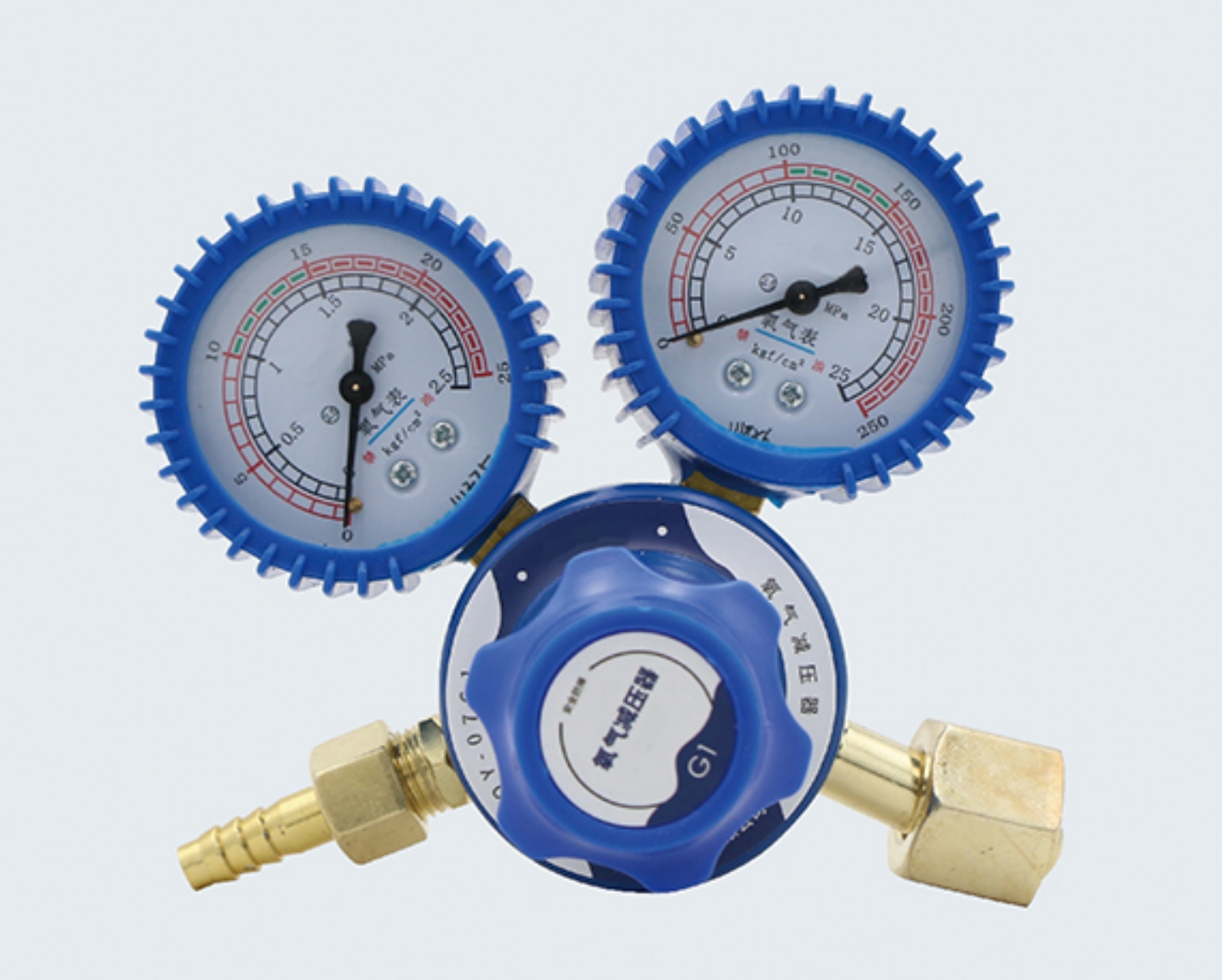
 Hot News
2026-10-04
2026-09-23
2026-09-17
2026-09-10
2026-08-25
2025-12-19
 EN
EN