 EN

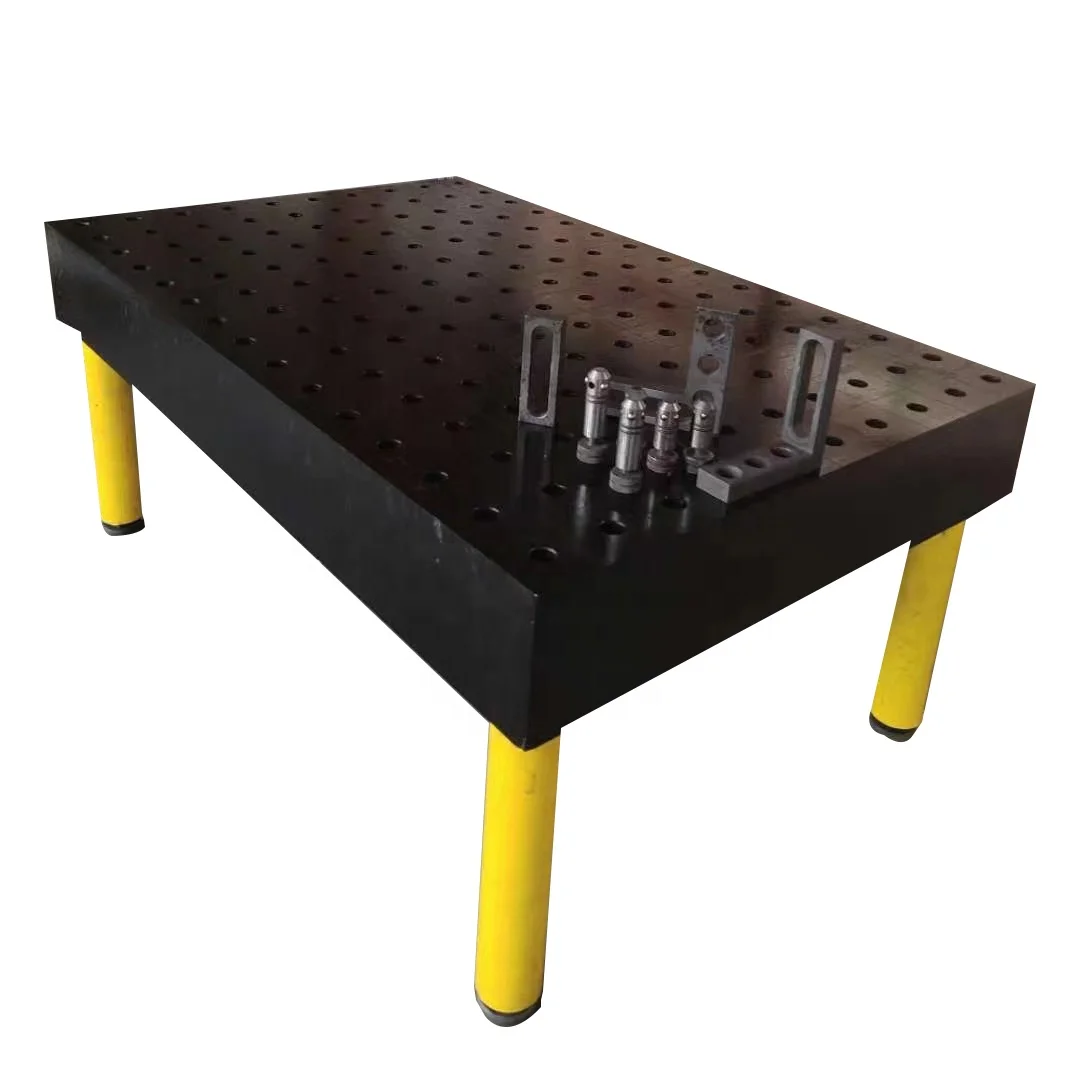
Maximizing Limited Floor Space with a Small Welding Bench is crucial for businesses that require efficient workspace management. As manufacturers and fabricators often operate in tight quarters, choosing the right small welding bench can help optimize productivity without sacrificing quality or safety. This article addresses key buyer concerns, such as specifications, quality evaluation, sourcing options, and installation tips, to ensure that purchasing managers and engineers can make informed decisions.
Maximize Efficiency with a Small Welding Bench in Limited Spaces
A small welding bench is specifically designed to fit into compact areas while providing the essential features needed for effective welding operations. These benches play a critical role in maximizing limited floor space, allowing for better organization of tools and materials, which can greatly enhance workflow efficiency.
When selecting a small welding bench, consider features such as adjustable height, portability, and storage options. Adjustable height allows operators to work comfortably, reducing fatigue during prolonged use. Portability features, like wheels or lightweight materials, facilitate easy movement between work areas. Additionally, built-in storage for tools and consumables can streamline processes, ensuring everything needed is within reach.
A well-designed small welding bench can also improve safety by providing a stable platform and reducing clutter in the workspace. This can minimize the risk of accidents, which is particularly important in industrial environments where safety regulations are stringent.
Key Specifications to Consider for Small Welding Benches
When evaluating small welding benches, it’s essential to consider several key specifications to ensure the selected bench meets your operational needs:
Load Capacity: Ensure the bench can support the weight of the materials and equipment you'll be using. A bench with an insufficient load capacity may lead to structural failure during operation.
Material: The construction material affects durability and weight. Steel benches offer strength and stability, while aluminum benches are lighter and easier to move but may not support as much weight.
Dimensions: The bench should fit your workspace without compromising functionality. Measure the available space and consider the dimensions of the bench, including height, width, and depth.
Surface Treatment: A surface that resists rust and corrosion is vital for maintaining the integrity of the bench in industrial environments. Look for benches with powder-coated or galvanized surfaces.
Adjustability Features: Consider benches with adjustable heights or foldable designs, which offer flexibility in different settings and tasks.
By confirming these specifications, buyers can ensure that their selected bench is tailored to their specific applications and operational requirements.
Evaluating Quality and Reliability in Small Welding Benches
Quality and reliability are paramount when selecting a small welding bench. Here are several factors to consider during the evaluation process:
Manufacturer Reputation: Research the manufacturer’s history and customer reviews. A company like Fengling Welding, with over 30 years of experience in welding equipment, often has established reliability and quality assurance processes.
Certifications: Look for products that meet industry standards or certifications, as these can indicate adherence to quality practices. Certifications such as ISO or ANSI can provide assurance of the manufacturing quality.
Warranty and Support: A robust warranty signals confidence in the product's durability. Additionally, consider the manufacturer's customer support options for maintenance or replacement parts.
User Feedback: Gather insights from current users regarding their experiences with the product. This can highlight potential issues or strengths that may not be apparent from specifications alone.
Quality Control Processes: Understand the quality control measures implemented during manufacturing. A reliable manufacturer will have rigorous testing protocols to ensure each unit meets performance standards before shipping.
Where to Source Wholesale Small Welding Benches for Your Projects
Sourcing small welding benches can be streamlined by considering various options:
Direct Manufacturers: Purchasing directly from manufacturers like Fengling Welding can provide access to competitive pricing and customization options. Direct communication can also facilitate better understanding of the product specifications.
Industrial Supply Distributors: Wholesalers and distributors often carry multiple brands and models, allowing for easy comparison of features and pricing. This can be particularly useful for businesses looking to purchase in bulk.
Online Marketplaces: Websites that specialize in industrial equipment can offer a broad selection and customer reviews, helping buyers make informed decisions. However, verify the credibility of the seller and the return policy.
Trade Shows and Exhibitions: Attending industry events can provide opportunities to see products firsthand, meet manufacturers, and negotiate pricing directly. This can also allow for discussions about customization options based on specific project needs.
Local Suppliers: Engaging with local suppliers can reduce shipping costs and lead times. Building relationships with local vendors may also provide more responsive customer service.
Installation Tips for Your Small Welding Bench for Optimal Performance
Proper installation of a small welding bench can significantly impact its performance and longevity. Here are some practical tips:
Leveling: Ensure the welding table is level to provide a stable working surface. An unlevel bench can lead to inaccurate welds and increased operator fatigue.
Secure Placement: If the bench is not portable, secure it to the floor or wall to prevent movement during operation. This is especially important when dealing with heavier loads.
Accessibility: Position the bench within easy reach of power outlets and other necessary equipment. Ensure that there’s enough space around the bench for the operator to move freely and safely.
Safety Features: Incorporate safety features such as fire extinguishers or first aid kits nearby, as welding can pose hazards. Additionally, consider installing proper ventilation if working in enclosed spaces.
Routine Maintenance: Establish a routine for inspecting the bench for wear and tear. Regular maintenance can help identify issues before they become significant problems, prolonging the life of the bench.
By following these installation tips, businesses can maximize the performance of their small welding benches, ensuring they meet operational demands efficiently.
Table of Contents
- Maximize Efficiency with a Small Welding Bench in Limited Spaces
- Key Specifications to Consider for Small Welding Benches
- Evaluating Quality and Reliability in Small Welding Benches
- Where to Source Wholesale Small Welding Benches for Your Projects
- Installation Tips for Your Small Welding Bench for Optimal Performance