 EN

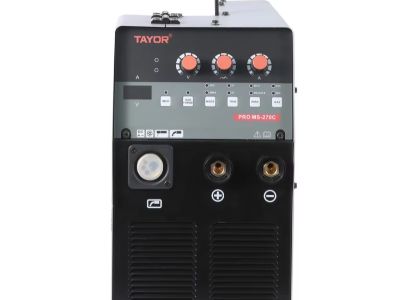
Superior heat control is a critical factor in stainless steel welding, affecting the quality, strength, and durability of the final product. For B2B buyers such as purchasing managers, engineers, and product managers, understanding why stainless steel welder must offer superior heat control can significantly impact their project outcomes. This article will delve into the essentials of heat control in welding, provide guidance on selecting the right equipment, and outline key specifications to consider, ensuring readers are well-equipped to make informed purchasing decisions.
Why Superior Heat Control is Essential for Stainless Steel Welding?
In stainless steel welding, maintaining precise heat control is vital for several reasons. First, excessive heat can lead to distortion and warping of the material, compromising the structural integrity of the weld. Too little heat, on the other hand, can result in incomplete penetration, leading to weak joints that may fail under stress. A welder tools that offers superior heat control allows for better consistency in weld quality, minimizing defects and ensuring that the final product meets the required specifications.
Moreover, superior heat control helps in managing the thermal properties of stainless steel, such as its susceptibility to oxidation and corrosion. High-quality welds require the right balance of heat to avoid issues like intergranular corrosion, which can occur when welding at improper temperatures. This is particularly important in applications where stainless steel is subjected to harsh environments, as seen in industries such as food processing, pharmaceuticals, and marine applications.
How to Choose the Right Stainless Steel Welder for Your Projects?
Selecting the appropriate stainless steel welder begins with understanding the specific requirements of your projects. Consider the following factors:
Welding Process: Different welding processes, such as MIG, TIG, and stick welding, offer distinct advantages and disadvantages depending on the application. For instance, TIG welding provides greater control over heat input and is ideal for thin materials, while MIG welding is faster and more efficient for thicker sections.
Power Settings: Look for welders that offer adjustable power settings. This feature allows operators to fine-tune the heat input based on the thickness of the stainless steel being welded, ensuring optimal results.
Cooling Systems: A welder equipped with effective cooling systems can maintain temperature stability throughout the welding process, reducing the risk of overheating.
Portability and Size: Depending on the work environment, consider whether a portable or larger stationary unit is more appropriate. Portability can be crucial for fieldwork, while larger units may be better suited for industrial settings.
User-Friendliness: Features such as digital displays, automatic settings, and easy-to-read controls can enhance usability, reducing the chance of operator error.
Ultimately, the right welder will depend on the specific applications and environments in which it will be used. Engage with manufacturers who can offer tailored advice based on your unique requirements.
Key Specifications for Evaluating Stainless Steel Welding Equipment
When assessing stainless steel welding equipment, several key specifications should be considered:
Voltage and Amperage Range: These specifications indicate the power levels that the welder can achieve. Ensure that the welder equipment can handle the thickness of stainless steel you plan to work with. For thicker materials, higher amperage is often necessary.
Duty Cycle: This indicates the welder's ability to operate continuously without overheating. A higher duty cycle means the welder can perform longer tasks without needing a break, which is particularly beneficial in high-volume production settings.
Welding Speed: This parameter affects productivity. Faster welding speeds can lead to increased output, but they should not compromise quality. It's essential to balance speed with the precision required for stainless steel applications.
Heat Input Control: Look for models that provide advanced heat input control features. This can include adjustable feed rates and programmable settings, which are crucial for achieving consistent welds.
Material Compatibility: Ensure the welder is suitable for various grades of stainless steel. Some welders may perform better with specific grades due to their unique properties.
Evaluating these specifications can help buyers ensure that they select equipment that aligns with their production goals and quality standards.
Comparing Wholesale Suppliers for Stainless Steel Welding Solutions
When considering wholesale suppliers for stainless steel welding solutions, buyers should evaluate several important factors:
Reputation and Experience: Look for suppliers with a solid track record in the industry. Suppliers like Fengling Welding, with over 30 years of experience, are likely to have refined their processes and understand the nuances of stainless steel welding.
Customization Capabilities: The ability to customize welding solutions to meet specific project requirements can be a significant advantage. This may include tailored consumables or specialized equipment configurations.
Quality Assurance Processes: A reliable supplier will have stringent quality control measures in place. This can include inspections at various production stages and certifications that demonstrate compliance with industry standards.
Lead Times and Availability: Assess the supplier’s ability to meet your timelines. Suppliers with efficient production processes and good inventory management can help ensure that your projects remain on schedule.
Technical Support: Good suppliers often provide ongoing technical support, which can be invaluable for troubleshooting and optimizing welding processes.
By thoroughly comparing potential suppliers based on these criteria, buyers can make informed decisions that align with their operational needs.
Installation Guidance for Optimal Heat Control in Welded Products
Proper installation of welding equipment is crucial for achieving optimal heat control. Here are some practical steps to ensure effective operation:
Setup Location: Select an appropriate installation site that allows for adequate ventilation and cooling. This is particularly important for processes that generate significant heat.
Calibration: Before commencing work, calibrate the welder according to the specific requirements of the project. This includes setting the correct voltage and amperage based on the material thickness and type.
Monitoring Equipment: Use monitoring tools to track temperature during the welding process. This can help catch any deviations from the desired heat levels, allowing for adjustments to be made in real-time.
Operator Training: Ensure that operators are well-trained in using the equipment and understand the importance of heat control. Knowledge of how to adjust settings based on material characteristics can greatly affect the quality of the welds produced.
Regular Maintenance: Regular maintenance of welding equipment helps ensure consistent performance. This includes checking for wear and tear on components, ensuring cooling systems are functioning, and cleaning any buildup that might affect operation.
By following these guidelines, businesses can enhance the effectiveness of their welding operations and improve the overall quality of their stainless steel products.
Table of Contents
- Why Superior Heat Control is Essential for Stainless Steel Welding?
- How to Choose the Right Stainless Steel Welder for Your Projects?
- Key Specifications for Evaluating Stainless Steel Welding Equipment
- Comparing Wholesale Suppliers for Stainless Steel Welding Solutions
- Installation Guidance for Optimal Heat Control in Welded Products