 EN

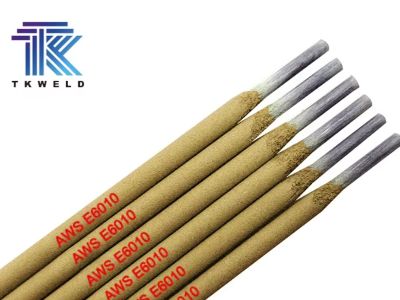
Magnesium-alloyed aluminium weld rods represent a crucial component in modern welding applications, offering significant strength benefits that are essential for various industrial uses. Understanding these advantages is vital for B2B buyers, particularly purchasing managers and engineers who prioritize material performance and compatibility. This article will explore the strength benefits of magnesium-alloyed aluminium welding rod, providing insights into selection criteria, specifications, sourcing options, and cost considerations to aid in informed purchasing decisions.
Understanding the Strength Benefits of Magnesium-Alloyed Aluminium Weld Rods
Magnesium-alloyed aluminium weld rods are known for their excellent strength-to-weight ratio, making them an ideal choice for applications in industries such as aerospace, automotive, and marine. The addition of magnesium enhances the mechanical properties of aluminium, resulting in weld rods that exhibit higher tensile strength and improved corrosion resistance. This characteristic is particularly beneficial when working with components exposed to harsh environments, as it prolongs the lifespan of welded joints.
Furthermore, these weld rods facilitate better weld pool fluidity, which can contribute to stronger welds with reduced porosity. Buyers should also consider that magnesium-alloyed aluminum welding rods are easier to work with during the welding process, enabling smoother and more efficient operations. This can lead to lower labor costs and decreased production times, making them a cost-effective option for manufacturers.
How to Choose the Right Magnesium-Alloyed Aluminium Weld Rods?
Selecting the appropriate magnesium-alloyed aluminium weld rod requires careful consideration of several factors:
Application Requirements: Different applications may have unique requirements for strength, ductility, and corrosion resistance. For instance, marine applications may demand rods with enhanced resistance to saltwater corrosion.
Alloy Composition: The specific alloy composition can affect the rod's performance. Common magnesium alloying elements include magnesium (Mg) and silicon (Si). Buyers should verify the alloy designation, such as 5356 or 4047, to ensure compatibility with their welding needs.
Diameter and Length: The size of the weld rod must align with the intended welding process and material thickness. A thicker welding rods may be required for heavy-duty applications, while thinner rods can be suitable for lighter materials.
Welding Process Compatibility: Ensure that the selected weld rod is compatible with the welding process being used (MIG, TIG). Different processes may dictate specific rod characteristics for optimal results.
Manufacturer Recommendations: Consulting with manufacturers like Fengling Welding can provide insights into the most suitable options based on their expertise and product offerings.
Key Specifications of Magnesium-Alloyed Aluminium Weld Rods for Buyers
When evaluating magnesium-alloyed aluminium weld rods, several key specifications should be closely examined:
Tensile Strength: This indicates the maximum stress the rod can withstand before failing. A higher tensile strength typically means a more durable weld.
Elongation: This measures the material's ability to deform before breaking. Adequate elongation is crucial for applications where flexibility is needed.
Filler Metal Classification: Different filler metal classifications can denote specific performance characteristics. Understanding these classifications can help buyers select the right rod for their applications.
Chemical Composition: Buyers should verify the chemical composition to ensure it meets industry standards and application requirements. This includes checking magnesium content, which directly impacts strength and corrosion resistance.
Weldability: Ensure that the rods are designed for ease of use in the chosen welding process, which can influence the overall quality of the weld.
Where to Source Reliable Magnesium-Alloyed Aluminium Weld Rods Wholesale?
Sourcing magnesium-alloyed aluminium weld rods wholesale can be done through several avenues:
Direct Manufacturers: Engaging with manufacturers like Fengling Welding can ensure access to high-quality products tailored to specific needs. Manufacturers often provide detailed specifications and support to help buyers make informed decisions.
Distributors: Established welding supply distributors typically carry a range of products and may offer competitive pricing. It's advisable to choose distributors with a solid reputation and knowledge of the welding industry.
Online Marketplaces: Many suppliers list their products on B2B marketplaces, allowing buyers to compare options quickly. However, verifying the supplier's credibility and product quality is essential before making a purchase.
Industry Trade Shows: Attending trade shows and industry events can provide opportunities to meet suppliers, inspect products, and discuss specific requirements directly with manufacturers.
Cost Factors to Consider When Purchasing Magnesium-Alloyed Aluminium Weld Rods
Several cost factors should be evaluated when purchasing magnesium-alloyed aluminium weld rods:
Material Costs: The price of raw materials, including aluminium and magnesium, can fluctuate based on market conditions. Understanding these trends can help buyers anticipate price changes.
Order Quantity: Bulk purchasing often leads to volume discounts. Buyers should assess their needs and consider ordering larger quantities to reduce per-unit costs.
Customization: If special specifications or custom formulations are required, this may impact pricing. Discussing customization options with manufacturers can help clarify any additional costs.
Shipping and Handling: Consider the logistics of transporting the weld rods, including shipping costs, which can vary based on distance and order size. Efficient packaging can reduce shipping expenses.
Quality Assurance: Investing in higher-quality weld rods may lead to lower long-term costs by reducing the likelihood of defects and the need for rework. Buyers should weigh the initial investment against potential savings.
By understanding these factors, buyers can make more informed decisions that align with their budget and operational requirements.
Magnesium-alloyed aluminium weld rods offer a robust solution for various industrial applications. With careful consideration of strength benefits, selection criteria, specifications, sourcing options, and cost factors, B2B buyers can optimize their purchasing strategy to achieve both quality and efficiency in their welding projects.
Table of Contents
- Understanding the Strength Benefits of Magnesium-Alloyed Aluminium Weld Rods
- How to Choose the Right Magnesium-Alloyed Aluminium Weld Rods?
- Key Specifications of Magnesium-Alloyed Aluminium Weld Rods for Buyers
- Where to Source Reliable Magnesium-Alloyed Aluminium Weld Rods Wholesale?
- Cost Factors to Consider When Purchasing Magnesium-Alloyed Aluminium Weld Rods