 EN

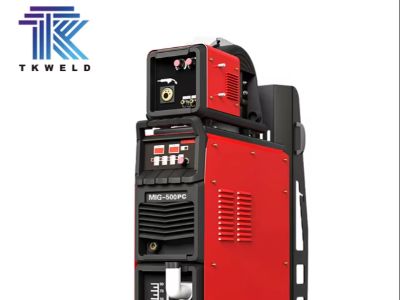
The integration of an automatic welder into assembly lines represents a significant advancement for manufacturers seeking efficiency and precision in their operations. This article explores the seamless integration process, addressing key concerns B2B buyers may have regarding sourcing, installation, and application of automatic welding equipment. By understanding the benefits, specifications, and practical considerations, purchasing managers, engineers, and product managers can make informed decisions about integrating these systems into their production lines.
The Benefits of Wholesale Purchasing for Automatic Welders
Wholesale purchasing of automatic welders offers several advantages that can significantly enhance a manufacturing operation's productivity and cost-efficiency. Firstly, buying in bulk often leads to lower per-unit costs, allowing companies to allocate resources more effectively. This can be particularly beneficial when scaling production or investing in new technologies.
Moreover, wholesale purchasing can streamline the procurement process. By establishing a relationship with a reliable supplier, companies can ensure consistent quality and availability of equipment. This relationship also facilitates better communication regarding customization options and technical support, which are critical in ensuring that the welding machines meet specific production needs. Additionally, wholesale buyers often gain access to warranties and service agreements that can further protect their investment.
What Buyers Need to Know
When considering the purchase of an automatic welder, buyers should evaluate several critical specifications and factors. Key specifications include the welder's power output, duty cycle, and welding processes supported (e. g., MIG, TIG, or stick welding). Understanding these specifications is essential, as they directly influence the handheld laser welder machine performance in different applications.
Buyers should also consider the compatibility of the automatic welder with their existing assembly line equipment. This involves assessing the machine's dimensions, integration capabilities, and software compatibility, which can affect overall production efficiency. Additionally, buyers should inquire about the machine's customization options to ensure it meets specific operational requirements.
Another important factor is the supplier's lead time and production capacity. Understanding these aspects can help buyers plan their procurement accordingly and avoid disruptions in their production schedules. Lastly, considering the supplier’s reputation and customer support services can significantly impact the long-term success of the integration process.
Where to Source Reliable Suppliers for Automatic Welding Equipment
Identifying reliable suppliers for automatic welding equipment requires thorough research and evaluation. Start by exploring industry directories and trade shows, where manufacturers often showcase their latest technologies and solutions. Networking with industry peers can also provide valuable insights into suppliers with a proven track record.
Once potential suppliers are identified, buyers should assess their manufacturing capabilities, certifications, and quality control processes. A supplier with extensive experience in developing and customizing welding equipment, such as Fengling Welding, may offer additional assurance regarding product reliability and performance.
Moreover, requesting references or case studies can help buyers understand how the supplier has successfully implemented solutions in similar industries or applications. Engaging in discussions about customization capabilities and after-sales support can further solidify the buyer's confidence in the supplier's offerings.
Installation Guidance for Seamless Integration of Automatic Welders
The installation of automatic welders is a critical step that requires careful planning and execution to ensure seamless integration into assembly lines. Start by conducting a thorough site assessment to determine the optimal placement of the welding equipment. This assessment should consider factors such as space constraints, access to power sources, and workflow efficiency.
Collaboration with the supplier during the installation process is vital. Suppliers often provide detailed installation guidelines and technical support, which can help mitigate common challenges. It's essential to ensure that all safety protocols are followed, as the installation of automated equipment involves risks that need to be managed.
After installation, conducting a series of tests under actual operating conditions is recommended. This step not only confirms the machine's functionality but also helps identify any adjustments needed for optimal performance. Proper training for operators is equally important to ensure they are familiar with the machine's capabilities and safety features.
Applications of Automatic Welders in Manufacturing
Automatic welders have versatile applications across various manufacturing sectors, including automotive, aerospace, and heavy machinery. In the automotive industry, for example, these machines enhance the efficiency of welding processes for vehicle frames and components, significantly reducing production times while maintaining high-quality welds.
In aerospace manufacturing, automatic welders are used for joining lightweight materials, where precision is paramount. The ability to program and automate the welding process allows for consistent results, minimizing the risk of defects. Similarly, in heavy machinery production, automatic aluminum laser welder enable manufacturers to handle large components that require robust and precise welds.
Understanding the specific applications of automatic welders helps buyers select the right equipment for their operational needs. By aligning the machine’s capabilities with the intended application, manufacturers can maximize their investment and improve overall production efficiency. integrating an automatic aluminium laser welder into assembly lines is a strategic decision that can enhance productivity and quality. By considering the benefits of wholesale purchasing, evaluating essential specifications, sourcing reliable suppliers, and understanding installation and application requirements, B2B buyers can make informed decisions that align with their manufacturing goals.