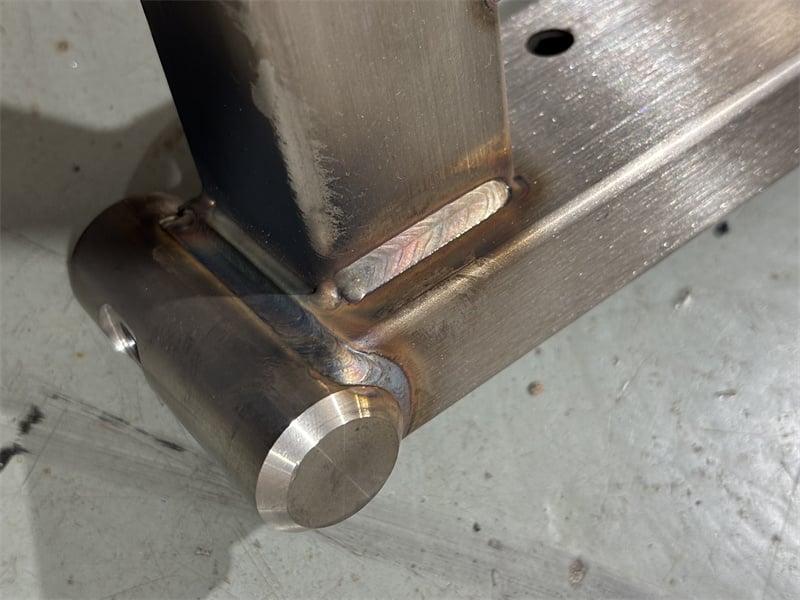
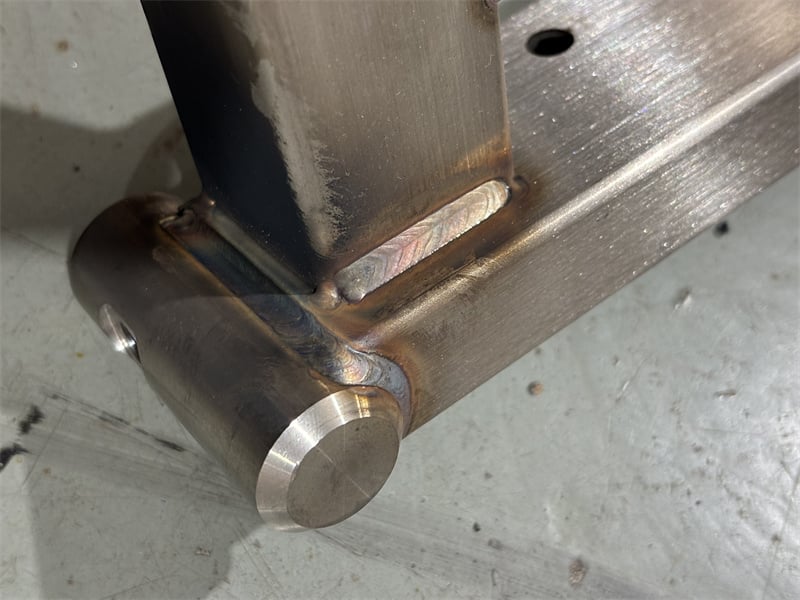
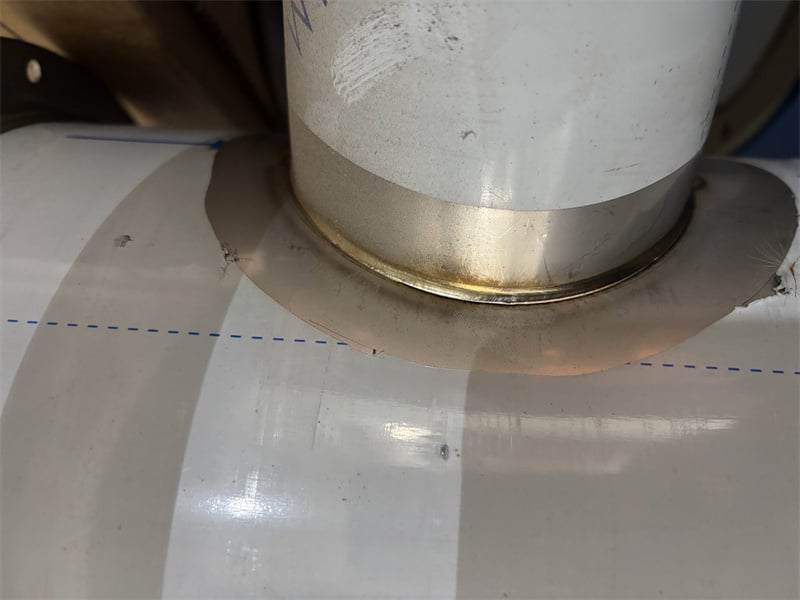
Laser welding technology is an advanced manufacturing process that uses a high-energy laser beam as the heat source to achieve high-precision, high-efficiency material joining. It mainly serves high-tech fields such as electrical vehicles (batteries, motors, car frames), high-end consumer electronics (mobile phone structural parts, precision components), and medical devices. It is widely applied in the welding of aluminum alloys, stainless steel, high-temperature alloys, titanium alloys, and dissimilar metals.
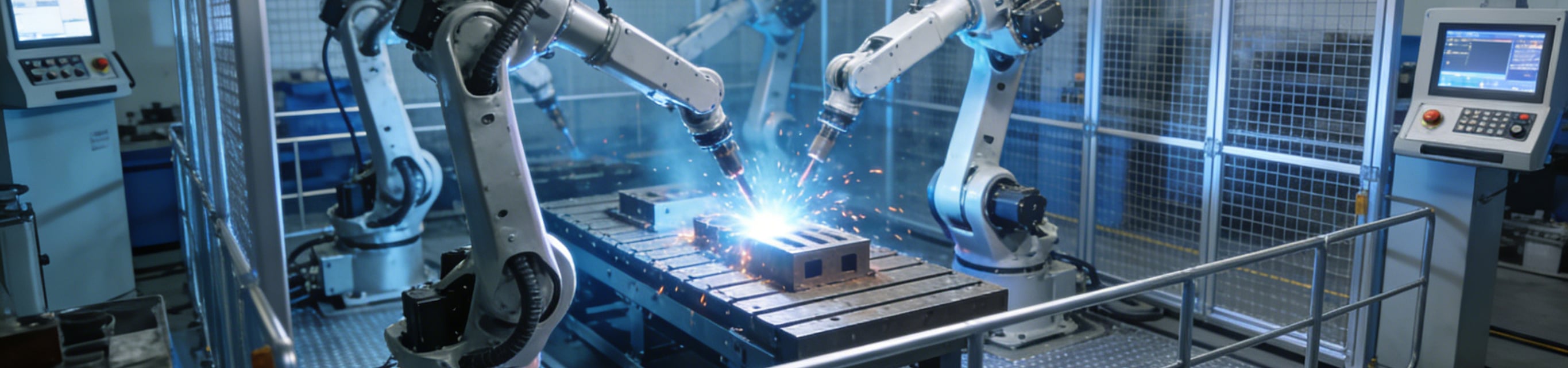
Mainstream welding methods include autogenous welding (without filler material) and filler wire welding (with added welding wire). Depending on the requirements, processes such as oscillating welding, remote scanning welding, and laser-arc hybrid welding can also be used. Core equipment usually integrates kilowatt-level fiber lasers, six-axis industrial robots, precision wire feeding systems, and monitoring systems. Common welding wires include types matched to the base material, such as ER4043 (aluminum alloy) and ER316L (stainless steel).
The main challenges of this technology lie in controlling the energy absorption of highly reflective materials (such as aluminum and copper), suppressing weld porosity and cracks, and achieving stable welding of complex trajectories and thin plates (<1mm). Its core advantage is a highly concentrated energy input with precise thermal control, allowing high-quality welding with a large depth-to-width ratio, minimal deformation, and high speed.
The breakthrough of laser welding lies in its process innovation and intelligent control, which can increase production efficiency by several times while reducing the heat-affected zone to one-tenth of that in conventional welding, significantly enhancing the structural strength, sealing performance, and fatigue life of products. This technology systematically addresses the fundamental issues customers face in traditional welding, such as low efficiency, severe deformation, and difficulty in achieving automated and intelligent production, providing critical technical support for the lightweight, integrated, and reliable manufacturing of high-end industries.
Welcome to contact us
 EN
EN