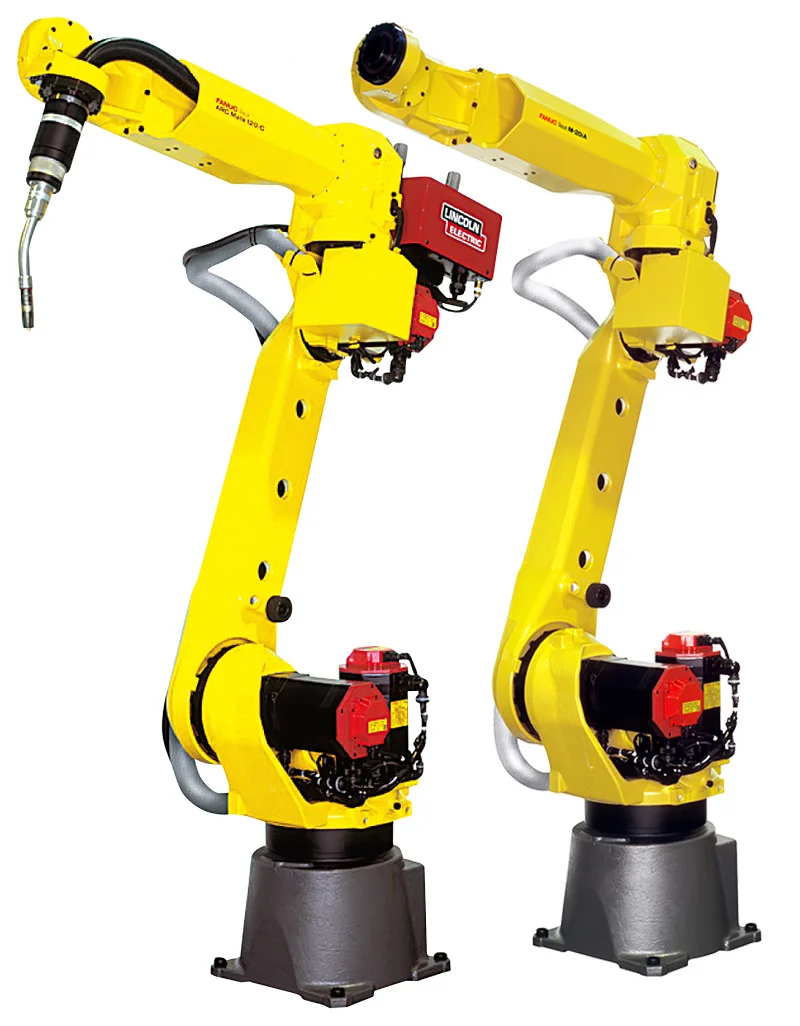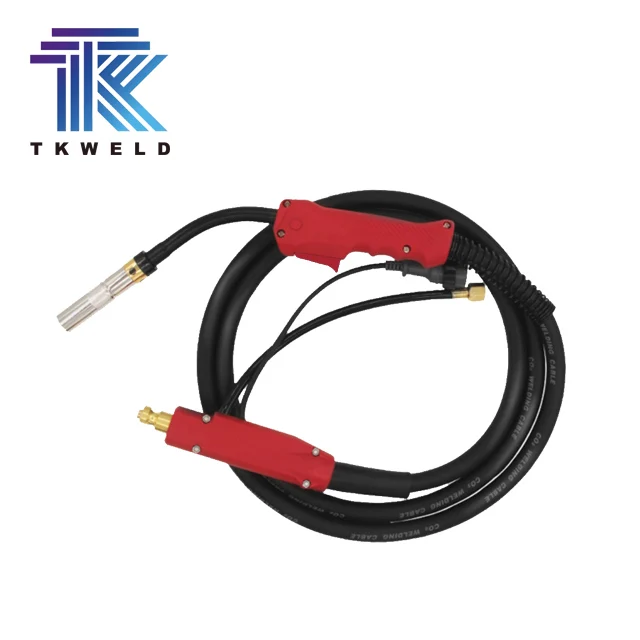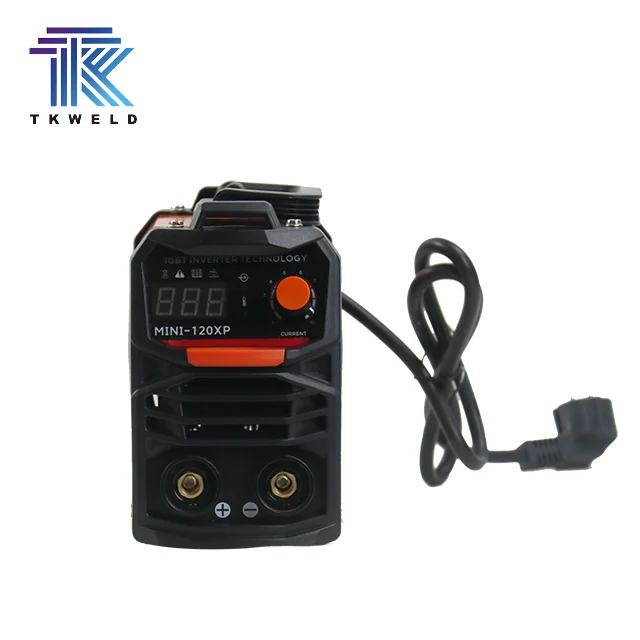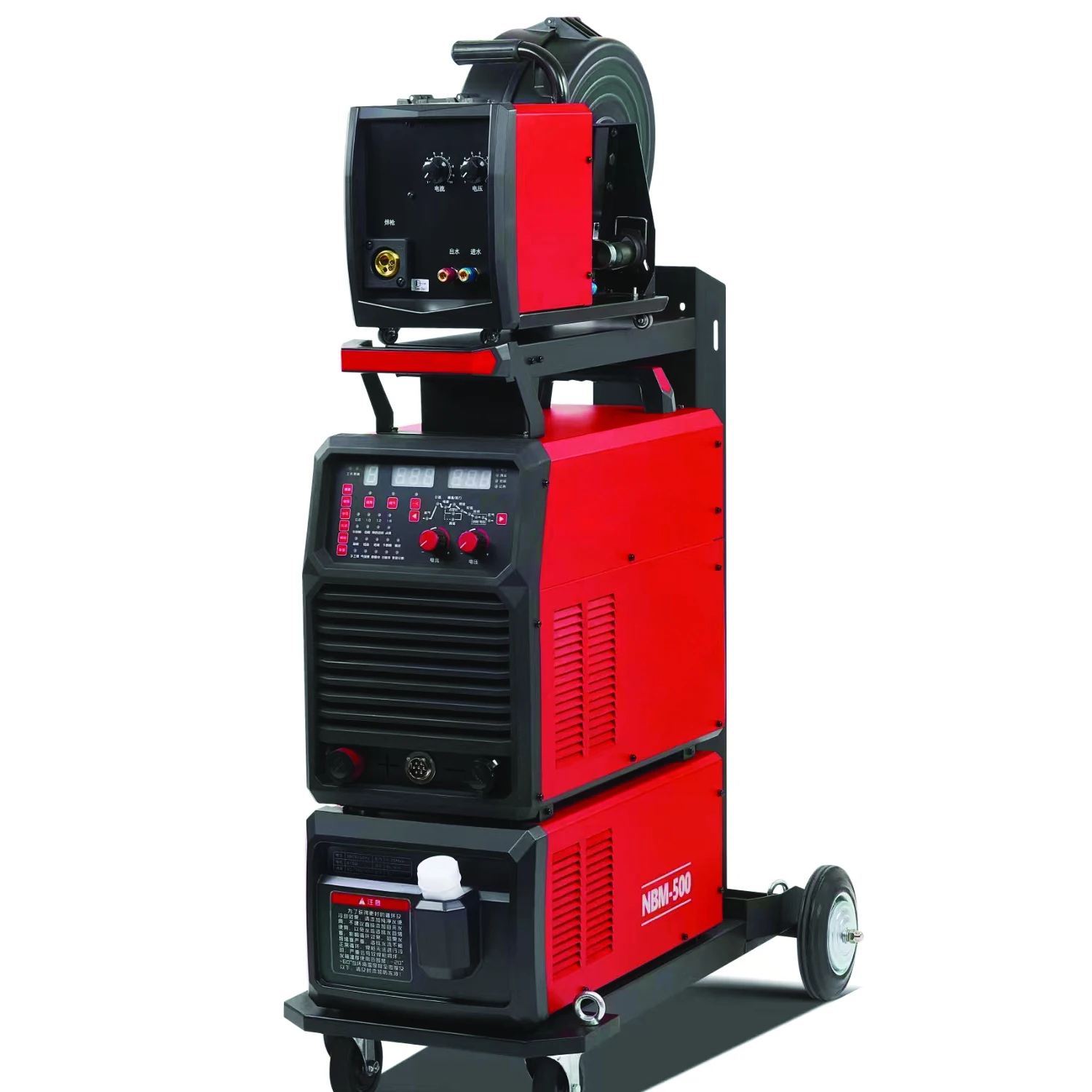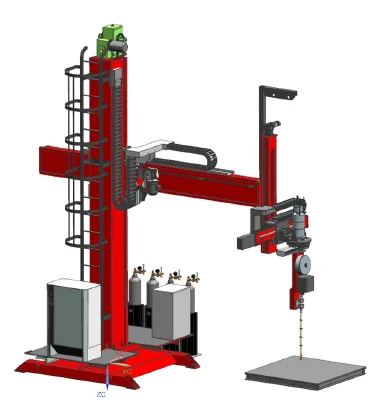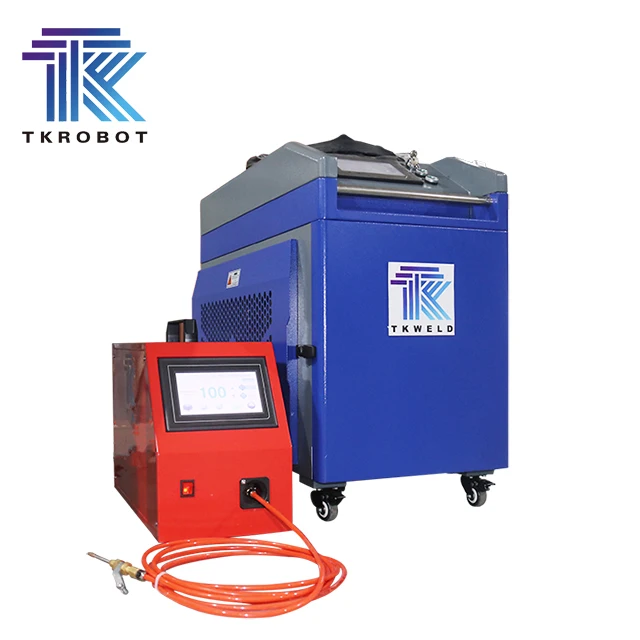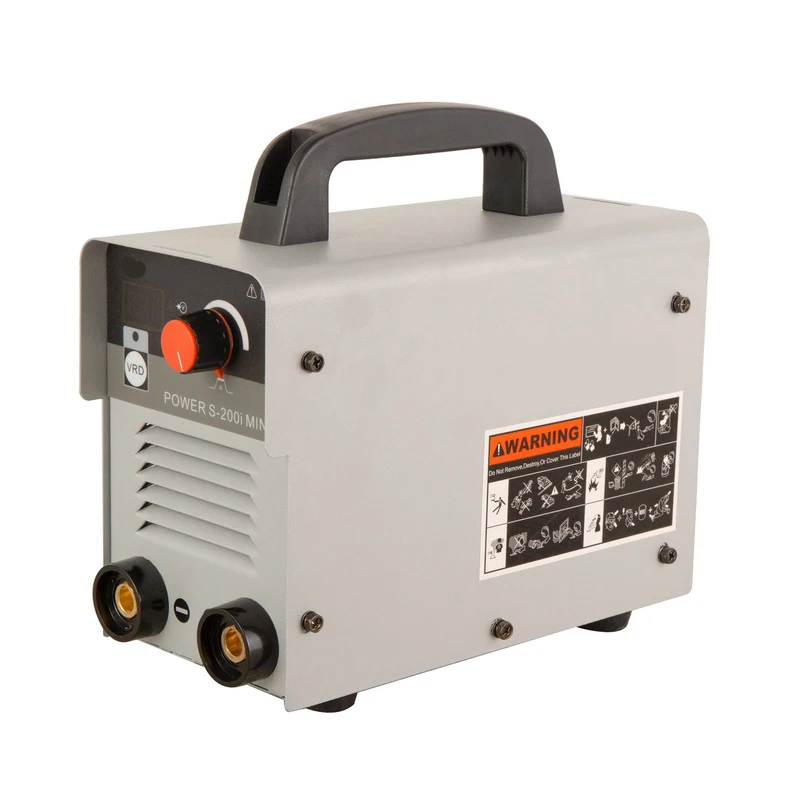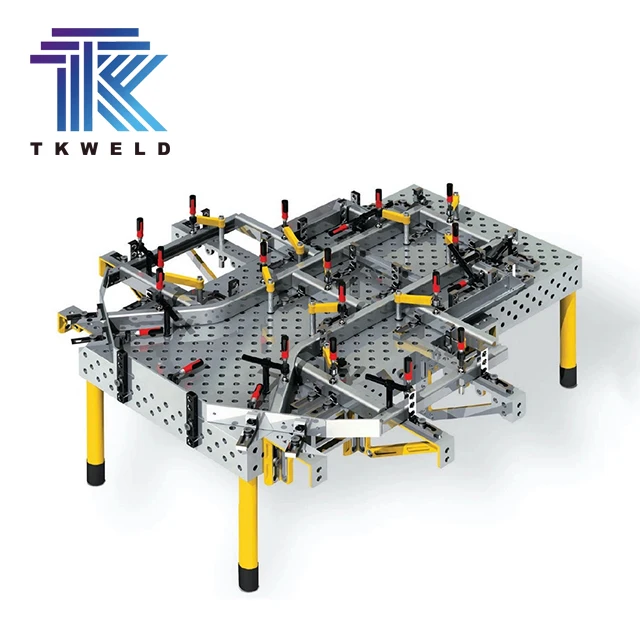
The TKweld Mig robotic welding arm is a powerful, reliable solution designed to transform welding operations across small workshops and large industrial plants alike. Built with practical features and a user-centered design, this robotic arm brings consistent, high-quality welds, increased productivity, and safer working conditions. TKweld combines robust construction, precise motion control, and easy integration to make automated welding accessible and efficient for fabricators, manufacturers, and maintenance teams.
Durable, industrial-grade construction
TKweld’s robotic arm is engineered with heavy-duty materials and precision components to withstand demanding industrial environments. The arm’s joints and structural elements use hardened steel and durable bearings to resist wear and maintain alignment over long service intervals. A protective coating and sealed housings guard sensitive parts from dust, spatter, and humidity, making the unit suitable for shop floors and harsher production sites. The result is a welding robot that holds calibration, reduces downtime, and requires minimal routine maintenance.
High-precision welding performance
At the core of TKweld is a motion system that delivers smooth, repeatable movements for accurate weld placement. Advanced servo motors and high-resolution encoders provide fine positional control across multiple axes, allowing the robot to track complex weld paths with tight tolerances. This repeatability ensures consistent bead appearance, penetration, and fusion across parts—especially important for series production or when meeting strict quality standards. TKweld excels at MIG welding applications such as butt, fillet, lap, and stitch welds, producing reliable seams on carbon steel, stainless, and other common metals.
Flexible payload and reach
TKweld is available in configurations to match a range of payloads and reaches. Whether handling light welding torches for small assemblies or larger fixtures and wire feeders for heavy-duty jobs, the robot offers a versatile platform. Multiple arm lengths and mounting options—floor, wall, or ceiling—allow users to adapt the system to their workspace and part geometry. The combination of reach and payload capacity makes TKweld suitable for welding sheet metal, tubular frames, chassis components, and fabricated structures.
Integrated welding control
Seamless integration of welding power sources and wire feeding systems simplifies setup and reduces the need for separate controllers. TKweld’s controller communicates directly with popular MIG power supplies, coordinating torch travel speed, wire feed, and welding current to optimize bead formation. Built-in synchronization features help maintain stable arcs during changes in travel direction or joint geometry. The system supports common welding modes and parameter sets, offering both automatic tuning and manual adjustment to suit experienced welders’ preferences.
User-friendly programming and teach modes
TKweld is designed for both automation specialists and shop personnel unfamiliar with robotics. A clear, intuitive teach pendant provides guided programming, allowing operators to record weld paths, set waypoints, and adjust speeds with simple commands. For quick tasks, the manual teach mode enables one-pass recording of motion, while offline programming tools let engineers prepare complex programs and deploy them to the robot. Visual feedback and diagnostics on the pendant help troubleshoot issues fast, letting teams keep production moving with minimal interruption.
Safety-first features
Safety is integral to TKweld’s design. The robot includes multiple safety interlocks, emergency stop inputs, and configurable zone monitoring to prevent accidental contact during operation. Collision detection and reduced-speed modes enable safe manual intervention for program setup and maintenance. The welding head and cable management are arranged to minimize pinch points and keep hot components away from operators. With proper cell guarding and standard safety practices, TKweld helps factories meet safety regulations while reducing operator exposure to fumes and heat.
Optimized for productivity
TKweld improves throughput by maintaining consistent cycle times and reducing rework from inconsistent manual welding. The robot’s rapid acceleration and precise motion control shorten weld cycles while maintaining quality. Automated sequencing allows integration into production lines, coordinating with part-handling equipment, fixtures, and conveyors. Reduced setup time and automated repeatability make TKweld especially cost-effective for medium- to high-volume production runs, where consistency and output are critical.
Adaptable tooling and accessories
To match diverse welding needs, TKweld supports a wide range of tooling and accessories. Quick-change torch mounts, adjustable wire feeders, and modular end-effectors allow fast reconfiguration between jobs. Fixtures and positioners can be integrated to orient parts optimally for welding, while additional sensors—such as seam-tracking cameras or touch probes—enhance adaptability to varying joint conditions. The system’s modular approach lets shops expand capabilities without replacing the core robot.
Reliable service and support
TKweld comes with comprehensive documentation and support to help customers get the most from their robotic welding investment. Installation guidance, application setup templates, and maintenance schedules simplify commissioning. Technical support and spare parts availability keep downtime low. Training services for operators and programmers help teams build in-house expertise quickly, ensuring consistent, safe operation over the robot’s life.
Cost-effective automation
By replacing repetitive manual welds with automated cycles, TKweld reduces labor costs and increases throughput. The consistent quality minimizes scrap and rework, delivering tangible savings in consumables and time. For many manufacturers, the robot’s reliable operation and low maintenance needs lead to a rapid return on investment, especially for recurring production tasks or projects where quality and traceability are priorities.
Applications and industries
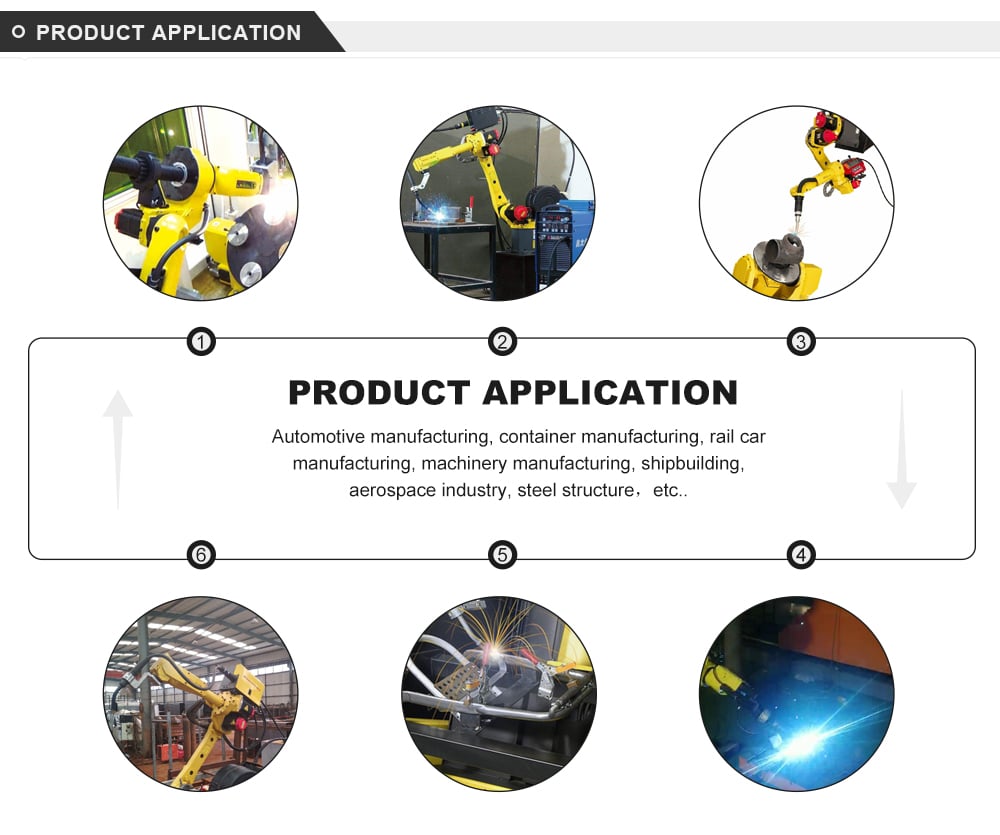
TKweld is ideal for a wide range of industries, including automotive components, agricultural equipment, metal furniture, HVAC assemblies, structural fabrication, and repair shops. It adapts to batch production, continuous line welding, and complex one-off fabrications where precision and finish matter. Whether used for spot repair, seam welding, or full-cycle assembly, TKweld brings professional-level welding performance to diverse fabrication challenges.
TKweld’s Mig Machinery Industry Equipment Robotic Robot Arm Welding offers an industrial-grade, flexible, and user-friendly solution for modern welding operations. It combines durability, precision, safety, and ease of use to boost productivity and ensure consistent weld quality. With configurable options, integrated controls, and a focus on operator safety, TKweld is a practical choice for manufacturers seeking reliable automation that scales with their production needs
Product Name: |
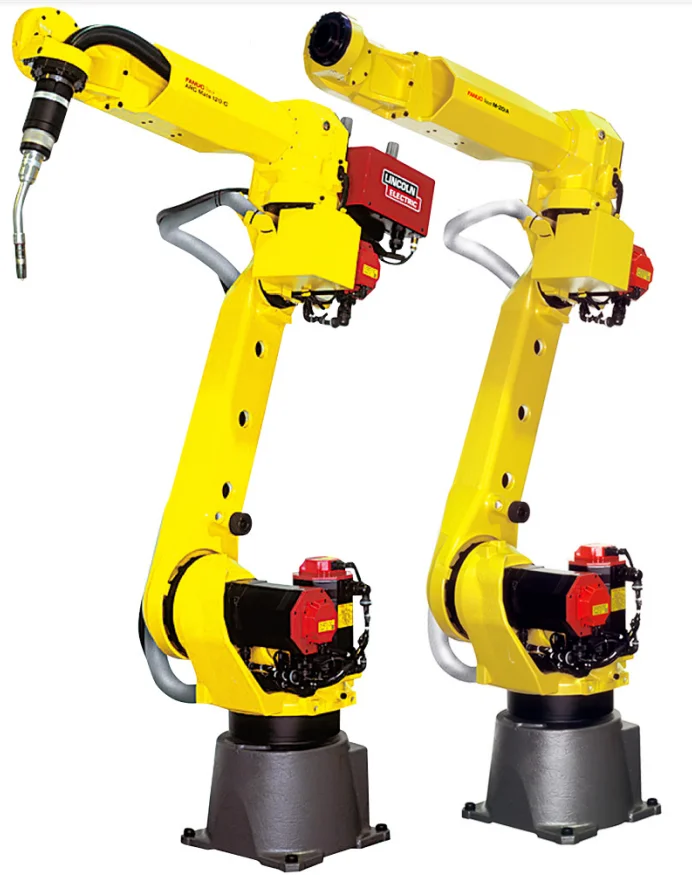
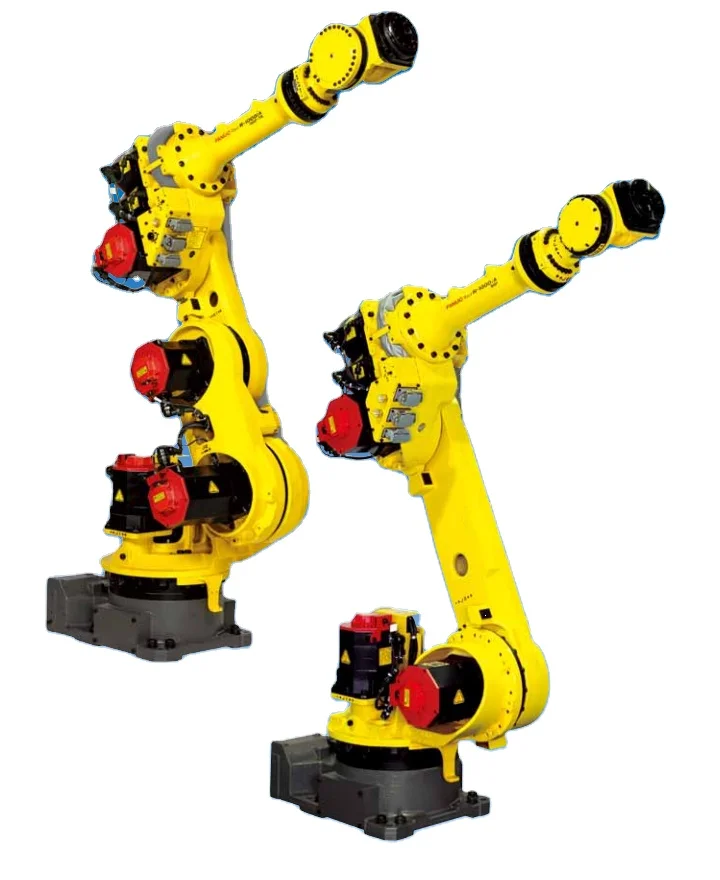
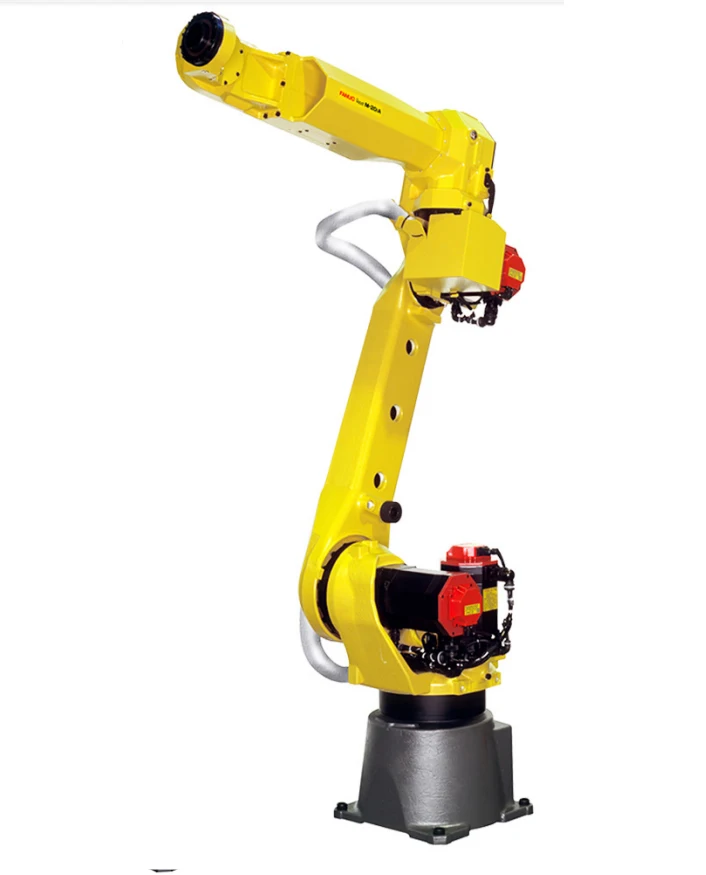
6 Axis FANUC Arc Welding Robot machine |
||||||
Advantages of robotic welding |
1. Increase production efficiency
2. Improve product quality
3. Lower requirements for workers’ operating techniques
4. Reduce production costs.
5. Shorten the cycle of product modification and updating and the corresponding investment in equipment
6. Improve the working conditions of workers
7. Enhance corporate image
|
||||||
FANUC Robot M-10iD |
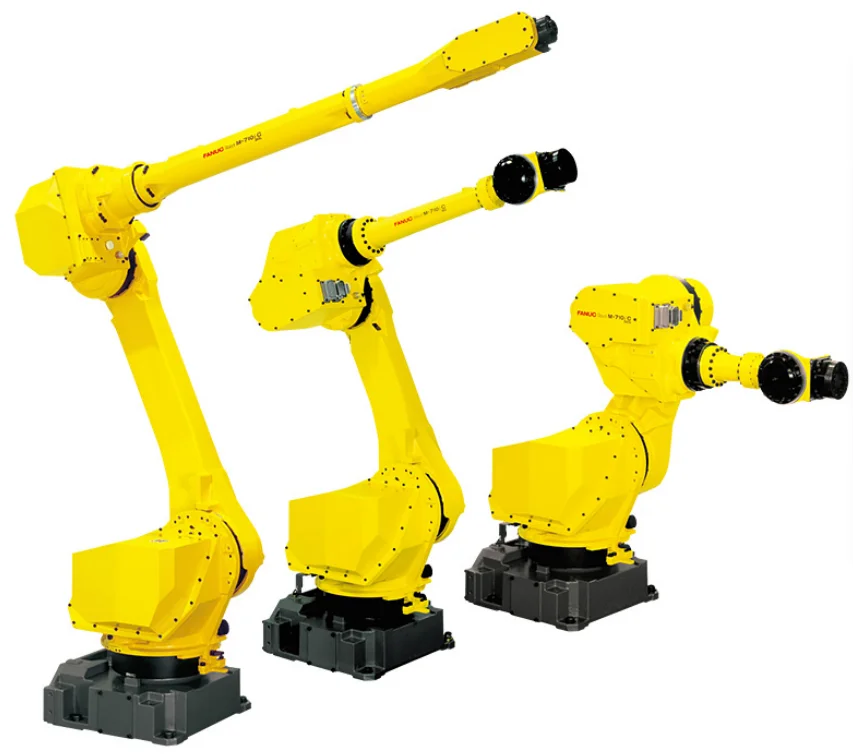
FANUC Robot M-710iC FANUC Robot M-710iC is a medium payload handing robot series with the capacity of 12kg-70kg 1. Various models are available to meet a variety of applications. FANUC Robot M-710iC/45M./50./70 Wide motion envelop and large wrist load capacity are enough to handle a large panel. FANUC Robot M-710iC /50S has a compact body suitable for narrow area operation. FANUC Robot M-710iC/12L /20L /20M Long reach and high motion performance are suitable for various applications, such as handling, sealing and arc welding. FANUC Robot M-710iC /50H is a 5 axes type robot that corresponds to the high speed transferring 2. The full cover realizes IP67 -equivalent resistance to severe environmental conditions (dust and dips). It’s reliable in various applications
|
||||||
Items |
Parameters |
||
Model |
M-710iC/20L |
||
Controller |
R-30iB |
||
Controlled Axis |
6 |
||
Max. Payload |
20kg |
||
Repeated Positioning Accuracy |
±0.15mm |
||
Mechanical Weight |
540kg |
||
Reach |
3110mm |
||
Motion Range ° |
J1Axis |
360° |
|
J2Axis |
225° |
||
J3Axis |
432° |
||
J4Axis |
400° |
||
J5Axis |
280° |
||
J6Axis |
900° |
||
Max. Speed °/s |
J1Axis |
175°/s |
|
J2Axis |
175°/s |
||
J3Axis |
180°/s |
||
J4Axis |
350°/s |
||
J5Axis |
360°/s |
||
J6Axis |
600°/s |
||
Moment/Inertia - Nm/kgm² |
J4Axis |
39.2/0.88 Nm/kgm² |
|
J5Axis |
39.2/0.88 Nm/kgm² |
||
J6Axis |
19.6/0.25 Nm/kgm² |
||
Installation Method |
Ground installing |
||
Power |
Three-phase 380V,50HZ/60HZ |
||
Controller Weight |
200kg |
||


 EN
EN